Best Website Company for Small Business: How to Get the Best Business Site Without the Headache
Key Takeaways
- In 2026, websites for small companies must be fast, secure, mobile-optimized, and designed to drive real actions like calls, forms, bookings, purchases, and email signups.
- While modern website builders offer quick launches, busy small business owners often face hidden costs, design limitations, app subscriptions, and ongoing maintenance challenges.
- A modern small business website should integrate SEO, email marketing, analytics, booking, ecommerce, and Google Ads tracking from day one.
- EZPages.Pro delivers a comprehensive solution combining custom design, AWS-backed secure hosting, compliance support, integrated marketing tools, analytics, and ongoing site management—all managed by a dedicated team.
- This guide compares popular builders like Wix, Squarespace, Shopify, Webflow, and Hostinger website builder alongside a managed approach, helping you choose the best path.

Why Every Small Company Needs a Professional Website in 2026
A website is as essential as a phone number today. With over 60% of global website traffic coming from mobile devices, many local searches start on a search engine or map apps before a customer calls, so an SEO-ready structure and strong search engine optimization help improve visibility in results. A slow, outdated, or missing digital presence means potential customers may never find you.
The best small business website acts as a 24/7 sales representative. It explains your services, builds trust, answers common questions, captures leads, and guides visitors toward calls, forms, bookings, or checkout, with lead generation tools supporting sales and customer acquisition.
Owning a professional website with a custom domain, branded email, customer reviews, consistent branding, and clear contact info establishes brand credibility far beyond social media profiles alone; in fact, 75% of consumers judge credibility based on website appearance. A completed google business profile can further strengthen local trust and discovery.
A strong small business website supports:
- Online booking for salons, consultants, therapists, gyms, or repair services.
- Lead capture through contact forms, quote requests, calls, and landing pages.
- Product sales via ecommerce stores.
- Newsletter signups and email marketing campaigns.
- Tracking for digital marketing, Google Ads, and social media campaigns.
- Contact details including phone, email, address, and hours.
- Social proof via testimonials, reviews, and case studies.
For example, a local hair salon can manage bookings online. An accountant can publish tax resources and collect consultation requests. A home services company can leverage service pages, reviews, and local SEO to attract nearby clients searching “near me,” especially when following small business web management best practices for design, content, and performance.
DIY Website Builders vs. Managed Solutions: What Small Companies Really Need
The best website company for small business varies by owner, and choosing a path starts with understanding business goals so you can identify the right web solution. Hands-on founders with design confidence may enjoy building sites with simpler website builders. Time-strapped owners often benefit from a managed partner like EZPages.Pro, which handles design, hosting, security, updates, and ongoing improvements.
DIY website builders have evolved to empower non tech savvy users, and many best website builders now use template-based design to offer a budget friendly solution. Popular web builders like Wix and Squarespace are widely used because they make a right website builder easier to choose for owners who want fast, affordable setup. A drag and drop editor also helps users customize simple builds without hiring web designers. Popular site builders include:
- Wix: great for quick launches, service businesses, and basic ecommerce, offering intuitive editing and built-in booking tools.
- Squarespace: ideal for design-focused brands and portfolios, with polished templates and strong SEO.
- Shopify: the top choice for serious ecommerce businesses with extensive ecommerce tools and analytics.
- Webflow: suited for advanced users needing custom layouts and complex designs.
- WordPress.org: perfect for owners wanting full ownership and limitless customization.
- GoDaddy, Weebly, Jimdo, and Hostinger website builder: budget-friendly options for simple, low-complexity sites.
Most website builders offer free trials or plans, but small businesses usually need premium subscriptions to unlock ecommerce, marketing, and support features.
While simpler website builders provide flexibility, they often come with a learning curve and require users to manage technical details like site speed, mobile optimization, SEO, and security.
Common DIY challenges include:
- Picking generic templates that don’t match your brand.
- Spending excessive time tweaking design instead of running your business.
- Adding multiple third party apps for booking, chat, SEO, and forms, increasing costs and complexity.
- Struggling with mobile layouts, site speed, tracking, and search optimization.
- Discovering “free” domains are temporary or that the builder lacks needed tools.
Many website builders include built-in SEO tools and marketing automation, but integrating and maintaining these can be time-consuming.
Managed solutions like EZPages.Pro offer a different approach. We provide a full-service experience combining custom website design, AWS-backed secure hosting, enterprise-grade security, ADA and GDPR compliance, performance tuning, analytics, and integrated marketing tools—all managed by a single expert team. When more tailored functionality is needed, a professional web developer or custom agency can create a new site with proprietary coding.
This reduces your internal workload and centralizes accountability, ensuring your site grows with your business without the headaches of managing multiple vendors or plugins by leveraging managed website services benefits that keep performance, security, and updates handled for you.
Core Elements of the Best Small Business Websites
Whether you choose a modern website builder or a managed service like EZPages.Pro, your small business website should deliver the core advantages outlined in why your small business needs a website and:
- Feature clean navigation with a clear path to the primary action.
- Include a compelling hero message explaining who you help and what you offer.
- Have one main call to action such as “Book a Free Call,” “Request a Quote,” or “Shop Now.”
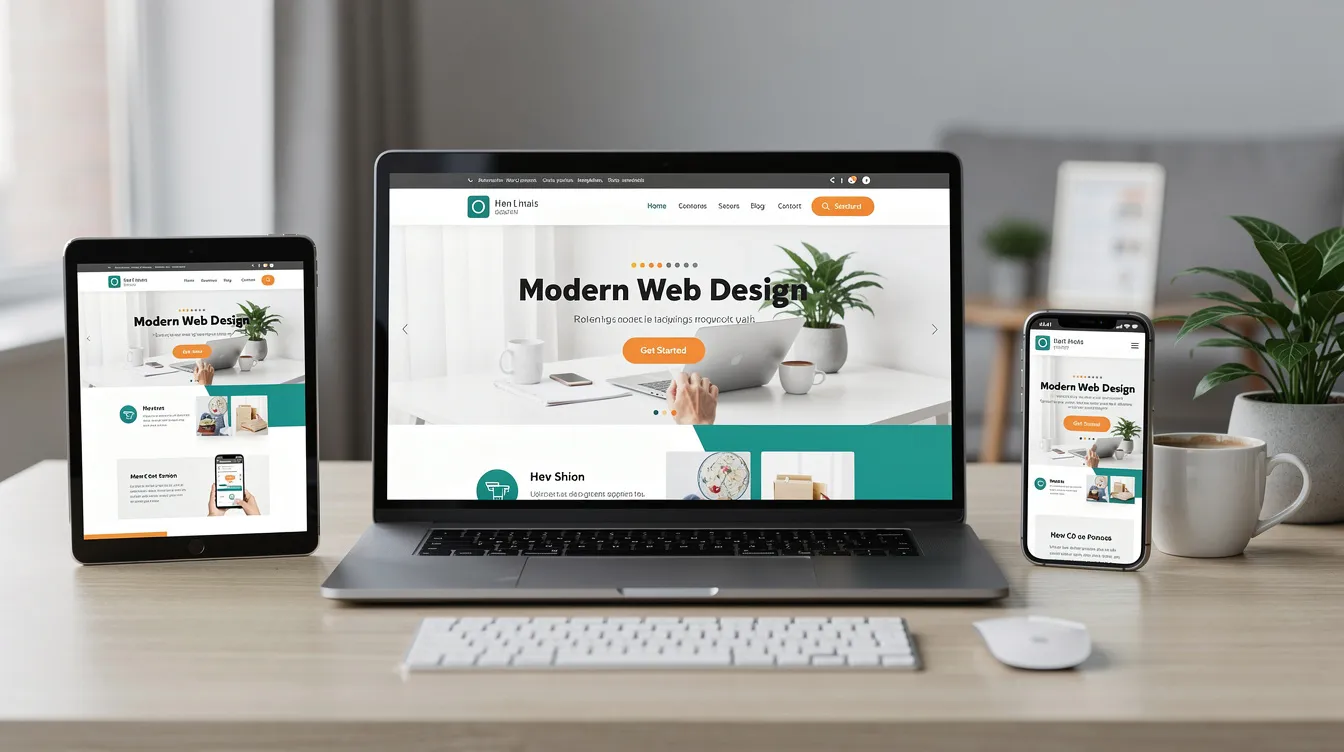
- Use mobile-first layouts, since mobile-optimized design is crucial for functionality across devices.
- Load quickly—ideally within two seconds—to keep visitors engaged.
- Follow Core Web Vitals best practices for speed and responsiveness.
- Include an About page with founder story, credentials, and trust signals.
- Provide detailed service or product pages explaining value.
- Display pricing, packages, or starting ranges where appropriate.
- Showcase testimonials, reviews, or case studies.
- Answer common questions with an FAQ section.
- Offer multiple contact options: form, phone, email, chat, address, and business hours.
For design consistency, tools like Coolors for color palettes and Fontjoy for typography help build brand identity, while high-quality templates and structured designs improve user experience. Use high-quality stock photos from Unsplash or Pexels, optimized with TinyPNG to improve load speeds.
The technical foundation is critical and should include:
- SSL certificates for secure hosting.
- ADA-conscious accessibility with readable contrast, alt text, and keyboard navigation.
- GDPR/CCPA cookie and privacy tools so websites adhere to privacy regulations for compliance.
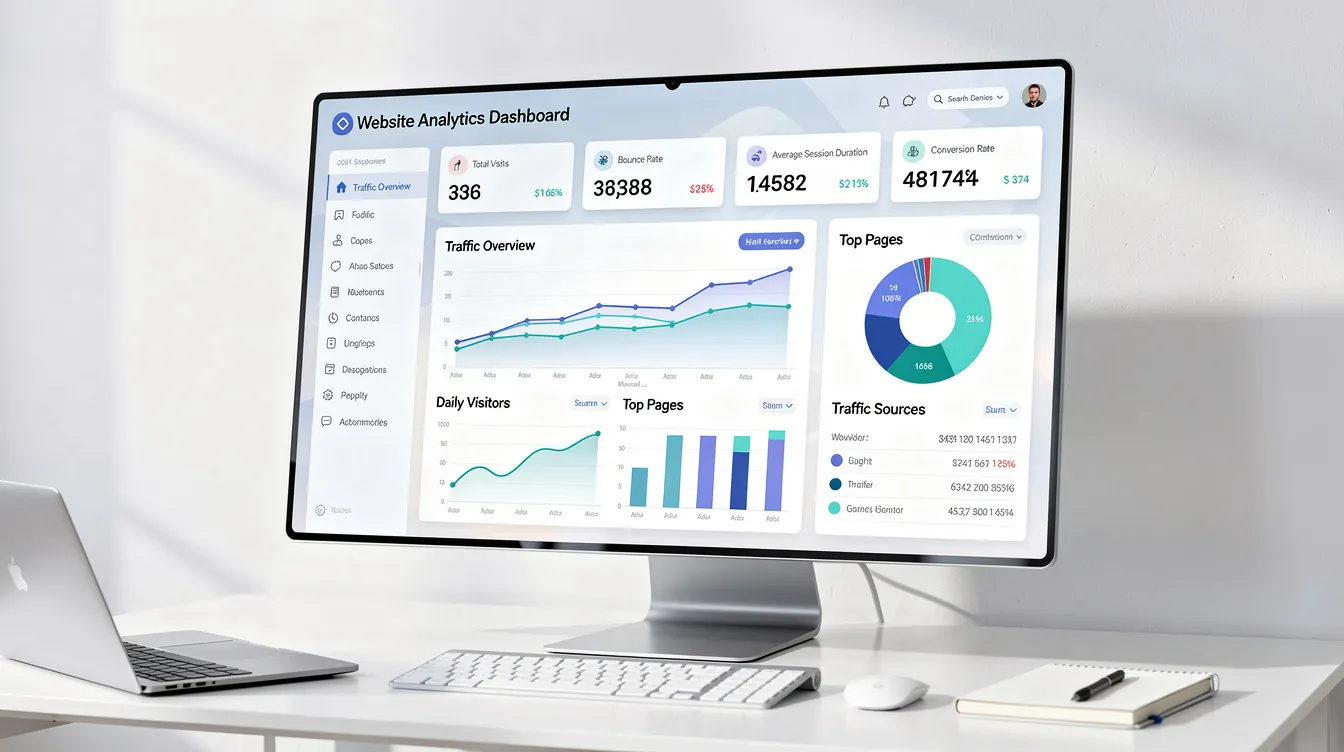
- built in analytics are essential for tracking the site's performance.
- key features should also cover seo features like optimized titles, meta descriptions, headings, internal links, and alt text.
- Local SEO elements such as NAP consistency, map links, service areas, and schema markup.
- Tracking pixels and conversion events for Google Ads and social media campaigns.
EZPages.Pro integrates all these essentials by default, delivering ADA-compliant layouts, GDPR-ready privacy tools, SEO scaffolding, performance optimization, and support for integrated apps like booking, chat, search, and email capture, all within high-performance, secure, custom websites with SEO and widgets.

Small Company Website Types and Which Tools Fit Best
Your website strategy depends on your business type and goals. Different site types require different features:
Brochure and Local Service Sites: Plumbers, salons, law firms, contractors, accountants, and consultants benefit from:
- Local SEO optimized pages.
- Reviews and testimonials.
- Clear service descriptions.
- Lead capture forms.
- Click-to-call buttons.
- Booking widgets.
- Map and service area info.
Squarespace and Wix are strong simpler website builders for service businesses. They also work well for service based businesses that mainly need an informational website rather than full ecommerce. EZPages.Pro is ideal when you want a polished custom build, faster performance, stronger local SEO, and ongoing updates without managing tools yourself.
Small Ecommerce Sites: Boutiques, artists, food brands, and specialty product companies need an ecommerce website that gives online stores the right mix of flexibility, checkout performance, and room to grow:
- Product pages with inventory management.
- Secure payment gateways.
- Shipping rules and tax settings.
- Discount codes and abandoned cart recovery.
- Mobile-optimized checkout.
- Sales and conversion analytics.
Features vary widely among ecommerce platforms. Shopify leads with robust ecommerce tools and scalability, plus over 8,000 apps for ecommerce functionality that can support online sales growth. Wix also integrates with online marketplaces like Amazon and Facebook. Weebly integrates with Square for seamless payment processing. Hostinger's ecommerce plan has a 500-product limit, so platform fit matters as stores scale. EZPages.Pro supports small to medium catalogs with full setup, integrations, speed, and security managed for you.
Appointment-Heavy Businesses: Therapists, gyms, salons, coaches, clinics, and consultants require:
- Scheduling and calendar integration.
- Automated reminders.
- Intake forms.
- Deposits or payments on booking.
- Confirmation and follow-up emails.
While many DIY builders offer booking tools, managing forms, payments, reminders, analytics, and CRM integrations can become complicated. EZPages.Pro customizes booking flows to match your customer journey rather than forcing generic plugins.
Cost, Hidden Fees, and Long-Term Maintenance
Many small companies underestimate total website costs. Subscription fees are only part of the picture. Domains, premium templates, apps, redesigns, support, compliance, security, performance tuning, and your own time add up.
Average small business website costs range from $3 to $20 per month, but serious plans often cost more once ecommerce, bookings, forms, analytics, and marketing tools are included. For context, Hostinger pricing starts around $1.99 per month, Neo Sites subscription plans start at $2.9 per month, GoDaddy pricing starts around $10 per month, Squarespace paid plans start at about $16 per month, Wix premium plans begin at about $17 per month, and Shopify plans start at $39 per month.
Hidden costs include:
- Domain renewal fees, even when a free domain or free domain name is included only for the first year.
- Business email setup.
- Ecommerce transaction and payment processing fees, including transaction fees that can materially affect total costs.
- Booking and marketing app subscriptions.
- Freelancer or agency help for fixes and improvements.
- Time spent troubleshooting, resizing images, writing copy, and learning platforms.
Technical responsibilities like security patches, backups, ADA compliance, cookie notices, privacy updates, analytics fixes, redirects, broken links, and speed optimization require ongoing attention. A free plan may exist on some platforms, but most businesses quickly outgrow it and need paid plans for real functionality.
EZPages.Pro packages custom design, AWS-backed hosting, CDN delivery, performance tuning, security monitoring, backups, compliance tools, updates, and expert support into predictable managed plans that include affordable website plans for startups and small businesses. This all-in-one approach eliminates juggling multiple vendors and plugins, freeing you to focus on growing your business while a professional website management service safeguards performance, security, and uptime.
How EZPages.Pro Helps Small Companies Build and Run Better Websites
EZPages.Pro specializes in delivering the best website company for small business owners who want agency polish combined with the reliability of an all-in-one managed platform, including hosting, maintenance, and ongoing technical support, with top website builder services for small businesses that streamline design and management.
Our streamlined process includes:
- Strategy calls to clarify offers, audience, goals, and conversion paths, and decide whether a brochure site, landing page, or ecommerce setup is the right fit.
- Sitemap planning for pages, services, locations, products, and FAQs.
- Wireframes mapping user journeys before design begins.
- Copywriting support for clear, persuasive, search-friendly content.
- Custom design on the scalable Duda site builder with brand-specific layouts, plus built in marketing tools and AI tools that support efficient setup and updates.
- Integration of booking, chat, search, analytics, forms, email, and ecommerce tools.
- Launch support ensuring tracking, forms, redirects, and mobile layouts are optimized.
For hosting and performance, we leverage AWS-backed infrastructure, CDN delivery, image optimization, and performance budgets to ensure fast, secure sites that support conversions across devices.
For security and compliance, EZPages.Pro manages:
- SSL certificates.
- Routine backups.
- Enterprise-grade security monitoring.
- ADA-conscious design.
- GDPR/CCPA cookie and privacy compliance.
- Platform updates and ongoing maintenance supported by our EZPagesPro website disclaimer and related policies.
For marketing readiness, we set up:
- On-page search engine optimization structure.
- Local schema markup.
- Metadata and heading optimization.
- Conversion-focused landing pages.
- Tracking pixels for Google Ads and social media platforms.
- Thank-you and confirmation pages with conversion events.
- Lead and conversion dashboards.
The result is a managed digital presence that evolves with your business, backed by website management services for small business growth and affordable website plans for startups and small companies that keep ongoing improvements predictable.
If you want the benefits of the best small business websites without managing every website builder, app, update, and integration yourself, EZPages.Pro can build and manage your site so you capture the key advantages of a professional online presence without added technical burden. It is a strong fit for local businesses and creative entrepreneurs that want advanced features without juggling other website builders on their own.
Choosing the Right Path for Your Small Business Website
There are three practical paths to consider:
- DIY site builders if you have a limited budget, enjoy digital tools, and have time to learn; some web builders and an ai website builder can launch fast, with Hostinger creating a basic site in under 30 seconds and GoDaddy letting users set up a website in less than 30 seconds.
- Freelancers or agencies for one-time custom builds if you can manage updates yourself.
- EZPages.Pro for a managed, all-in-one solution covering strategy, design, hosting, security, compliance, SEO, integrations, and ongoing support.
Reassess your current setup if you face multiple plugins, numerous app subscriptions, or excessive manual maintenance.
Before deciding, understand your business goals and list your must-have features so you can choose the right website builder:
- Ecommerce.
- Bookings.
- Memberships.
- Blog.
- Local SEO.
- Google Ads tracking.
- Email marketing.
- Analytics.
- Live chat.
- Multiple locations.
- Customer portals.
Ask: can website builders support growth, SEO, and integrations without becoming a patchwork?
Ask yourself: can the platform support these features seamlessly, or will it become a patchwork of apps?
For most small businesses, the best website company is the one that protects your time, builds brand credibility, and supports revenue growth. Schedule a discovery call with EZPages.Pro to review your current website or idea and explore how we can help you launch or improve your online presence.
Frequently Asked Questions About EZPages.Pro and Websites for Small Companies
How fast can EZPages.Pro launch a small company website?
Most straightforward sites with 3–7 pages, simple booking, lead capture, or service pages launch in 2–4 weeks after content approval. This timeline reflects a managed launch, while a new site on a DIY platform may go live faster but usually requires more owner setup and review. Rush timelines may be available.
Can EZPages.Pro migrate my existing Wix, Squarespace, or WordPress site?
Yes. EZPages.Pro regularly migrates content, images, URLs, redirects, metadata, and SEO settings from common website builders, improving structure, speed, and mobile experience.
Does EZPages.Pro support ecommerce for small product catalogs?
Yes. EZPages.Pro builds and manages ecommerce sites for small to medium catalogs, handling product setup, taxes, shipping rules, checkout, and payment integrations. We also connect external marketplaces.
How does EZPages.Pro work with Google Ads and other marketing channels?
We add tracking pixels, conversion events, thank-you pages, and confirmation pages so marketers can run Google Ads and social campaigns efficiently. We structure pages around clear offers and measurable conversions.
What happens if my small business grows or changes direction?
EZPages.Pro is designed to scale. You can add pages, features, membership areas, ecommerce expansions, new service lines, booking flows, and redesigns as your business evolves.
Ready to Elevate Your Small Business Website?
Partner with EZPages.Pro to experience the best website company for small business owners who want a professional, scalable, and fully managed online presence. From custom web design and secure AWS-backed hosting to integrated SEO, marketing tools, ecommerce functionality, a professional email address, and ongoing site management, we deliver all the tools your business needs to thrive online.
Schedule a discovery call today to see how EZPages.Pro can simplify your website journey, boost your brand credibility, and drive real business growth with a tailored solution designed just for you.
Don’t settle for a generic website builder—choose EZPages.Pro for expert support, powerful built-in tools, and a scalable platform that grows with your business when you need high-performance, secure websites with custom design and SEO features delivered as a managed solution beyond all the website builders.

EzPages.Pro specializes in small business web management and web development for small businesses and startups. Our tailored solutions simplify content updates, track performance with analytics, and ensure smooth site operation. With our all-in-one management services, you can focus on growing your business while we handle the rest.
🚀 Let’s build something great together.
EZPages blog