
EZPages.Pro Website Personalization for Your Business Website


What is Personalization?
Personalization refers to the process of tailoring a website's content, layout, and functionality to meet the unique preferences, behaviors, and needs of individual visitors. Instead of presenting a generic experience to all users, personalization creates a customized journey that feels relevant and engaging for each person.
Website personalization uses visitor data such as browsing history, purchase behavior, demographics, and contextual signals to dynamically adjust what content is shown. This can include personalized product recommendations, targeted banners, customized calls-to-action, and tailored landing pages.
There are various types of website personalization, including:
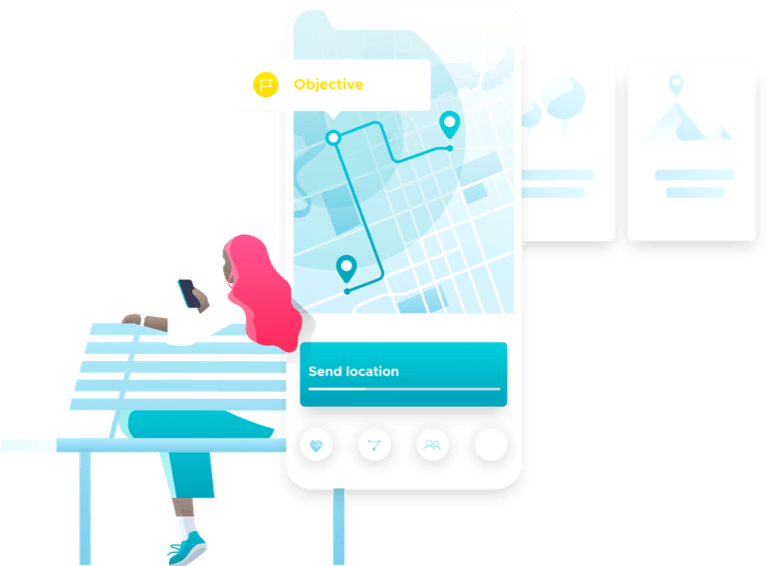
- Contextual Personalization: Adapting the experience based on real-time context like location, device type, or time of day.
- Predictive Personalization:
Using AI and historical data to anticipate customer needs and deliver relevant content proactively.
- Behavioral Personalization: Customizing content based on a user's past interactions and browsing history.
Effective website personalization efforts leverage these approaches to deliver meaningful, relevant experiences that increase engagement, conversions, and customer loyalty. By understanding and responding to customer behavior and preferences, personalization helps brands build stronger connections with their audience and achieve desired outcomes.
How Does Website Personalization Strategy Work?
Website personalization works by collecting and analyzing visitor data to deliver tailored experiences that match individual preferences and behaviors. Here’s an overview of the process:
- Data Collection: Personalization starts with gathering data from visitors, as businesses collect customer data from consented sources and use transparent data practices to build trust. This includes first-party data such as user's browsing history, purchase history, demographic information, device type, location, and interaction patterns, with collection handled in line with GDPR and CCPA. Zero-party data collected via forms, quizzes, and preference centers also enriches the profile. Using first-party and zero-party data improves website personalization effectiveness.
- Segmentation:
Visitors are grouped into customer segments based on shared attributes like behavior, intent, or demographics. These segments allow for targeted personalization initiatives that resonate with specific audience groups.
- Personalization Logic:
Using rule-based triggers (e.g., location or device) combined with AI-driven predictive and contextual personalization, the website dynamically adjusts content, product recommendations, banners, and calls-to-action in real-time. Done well, this use of consumer data can improve product recommendations by 30-40%.
- Dynamic Content Delivery: The website serves personalized content modules and widgets tailored to each visitor’s profile, ensuring relevant messaging and offers appear instantly as they navigate.
- Continuous Learning and Optimization:
Analytics tools track key performance indicators and user interactions to refine personalization strategies. Continuous A/B testing and multivariate testing are crucial for validating personalization effectiveness and enabling ongoing improvements.
By leveraging this data-driven approach, website personalization tools create seamless, relevant, and engaging experiences that increase conversions, enhance customer loyalty, and support business growth.
Real-World Examples with a Website Personalization Tools

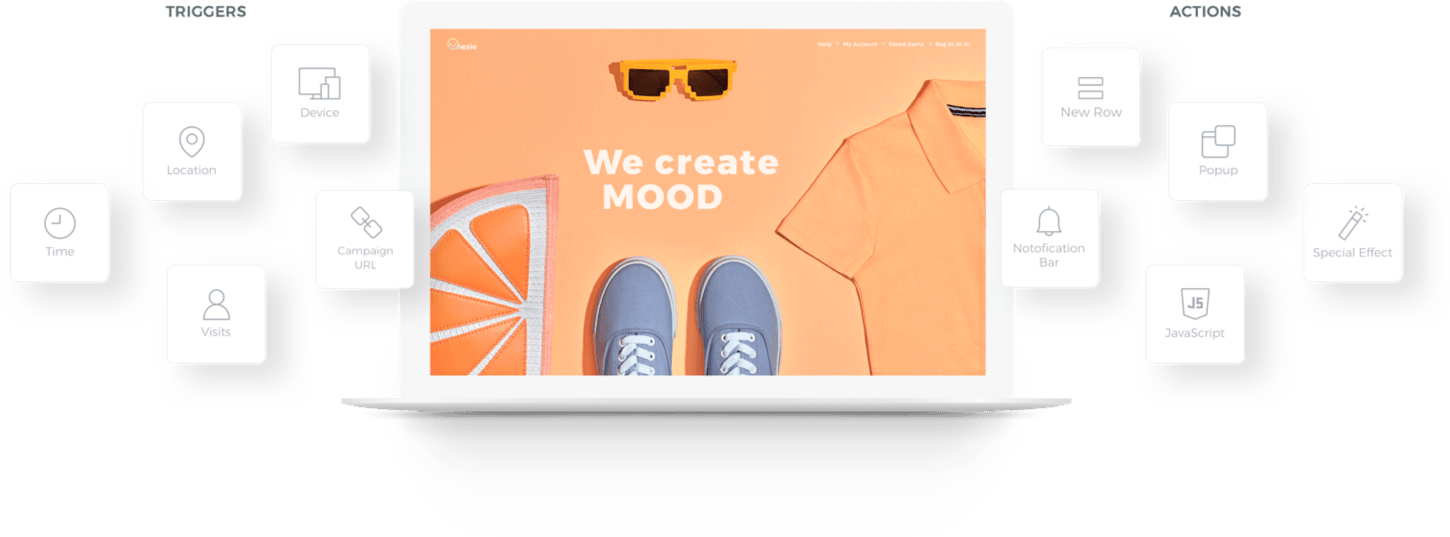
Order Online
- Trigger: Visitor arrives on website on Mother’s Day
- Action: Banner promoting free delivery
- Value: Visitor has incentive to order flowers

Visit Store
- Trigger: Visitor arrives on website from a mobile device
- Action: Save 25% on lunch specials
- Value: Visitor comes directly to business

Flash Sale
- Trigger: Third time visitor goes to the website
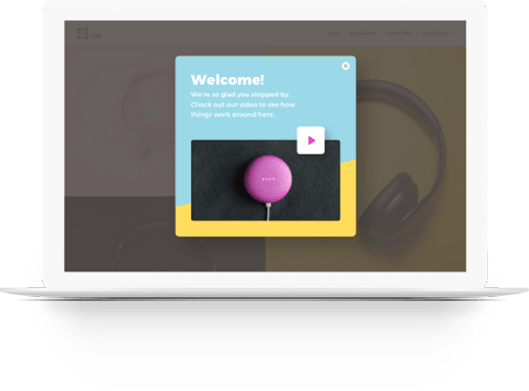
- Action: Popup for buy one, get one free
- Value: Return visitor is encouraged to buy
Benefits Of Website Personalization
Website personalization delivers significant business outcomes by creating web personalization that resonates with individual visitors. Key benefits include:
- Increased Conversion Rates:
Personalized content and product recommendations improve the likelihood of purchase by showing visitors relevant offers aligned with their interests and past behavior. Personalized product recommendations can increase conversion rates by 30-40% and raise average order value.
- Enhanced Customer Engagement:
Tailored experiences keep visitors on your site longer, reducing bounce rates and increasing interaction with your content and calls-to-action (CTAs) by adapting website content and targeted messaging to each audience segment based on user behavior.
- Improved Customer Loyalty: By delivering meaningful personalization, customers feel understood and valued, and a personalized website experience can improve customer satisfaction while increasing customer lifetime value and customer lifetime over time.
A strong personalization strategy should avoid over-personalization so the experience stays helpful rather than intrusive. Done well, website personalization can increase revenue by 10-15% and create a competitive advantage.
Personalization Tools on the Duda Platform and Integration with EZPages.Pro
EZPages.Pro leverages the powerful personalization tools available on the Duda platform as part of a broader personalization platform to deliver a personalized website and a personalized web experience efficiently and effectively. These tools enable agencies and small businesses to implement dynamic website personalization strategies without extensive development resources.
Key Personalization Tools in Duda:
- Dynamic Content Widgets: Duda offers a variety of customizable widgets that can display different content based on visitor segments, such as location, device type, or referral source. EZPages.Pro uses these widgets to create personalized banners, product recommendations, and CTAs that adapt in real-time.
- Audience Segmentation:
Duda allows segmentation of site visitors based on behavioral data, demographic data, demographics, and browsing patterns, so content can be adapted for customers based on behavioral, demographic, and transactional signals. EZPages.Pro integrates this segmentation to tailor content and offers to specific groups, enhancing relevance and engagement.
- Rule-Based Personalization: The platform supports rule-based triggers that adjust website elements like headlines, images, and offers based on predefined visitor attributes. EZPages.Pro configures these rules to align with client marketing strategies and support mobile users with device-specific variations.
- CMS and Analytics Integration: Duda’s seamless integration with CMS tools and analytics platforms like Google Analytics supports data-driven personalization. EZPages.Pro utilizes these integrations to monitor performance and refine personalization strategies, and a personalization engine can be further informed by machine learning and predictive analytics when connected to broader data systems.
This setup also works with a customer data platform for richer profiles and supports site personalization efforts across the customer journey, especially when combined with
integrated apps that extend website functionality.
Why Website Personalization Matters
At EZPagesPro, we believe website personalization is a critical component of a broader marketing strategy for small businesses and startups trying to stand out in a crowded online space. For many small companies, selecting the best managed website approach is the foundation that allows these personalization tactics to perform. A successful website personalization strategy helps create tailored experiences and a more relevant experience across the customer journey, improving user experience and encouraging engagement that can drive more conversions and support successful website personalization.
83% of consumers are willing to share data for personalization, 75% of business leaders say personalization is essential, and only 9% of executives report full implementation of personalization efforts.
- Site visitors have short attention spans
- Attracting their attention quickly is important
- Visitors want clear navigation and search results that help them find the information they are looking for right away

How a website personalization tool supports results
These website personalization examples demonstrate how tailored experiences on high-performance, secure, custom websites translate into significant business outcomes.
- 80% of consumers are more likely to engage with companies that provide personalized experiences. (Salesforce, 2023)
- 85% of marketers report that personalization has a measurable impact on business performance, yet only 12% have fully implemented personalization strategies. (Gartner, 2023)
- Personalized Calls-to-Action (CTAs) outperform static CTAs by over 200% in conversion rates. (HubSpot, 2023)
- Yves Rocher achieved an 11x increase in purchase rates through real-time personalized product recommendations. (Bloomreach, 2023)
- bimago experienced a 44% increase in subscription conversions using contextual personalization. (Bloomreach, 2023)
- In media streaming, Spotify’s Daily Mix playlists, dynamically personalized based on listening behavior, significantly boost user engagement and retention. (Spotify Annual Report, 2023)
These results collectively highlight how effective website personalization enhances user engagement, improves customer experience, and drives higher returns on marketing investments, especially when supported by
ongoing website management services for small business growth.
Frequently Asked Questions (FAQs) About Website Personalization
What is website personalization?
Website personalization is the process of tailoring a website's content, layout, and functionality to meet the unique preferences, behaviors, and needs of individual visitors, creating a customized and relevant experience.
How does website personalization improve business results?
By delivering relevant content, product recommendations, and targeted calls-to-action based on visitor data like browsing behavior and past purchases, website personalization increases engagement, conversion rates, average order value, and customer loyalty, leading to measurable business results for organizations using a top website builder for small businesses.
What types of data are used for website personalization?
Effective website personalization relies on first-party data such as browsing behavior, past purchases, demographic information, and contextual signals, as well as zero-party data collected directly from users through forms or preferences, and works best when paired with managed website services that enhance online presence.
How does EZPages.Pro utilize personalization?
EZPages.Pro leverages the Duda platform's personalization tools, including dynamic content widgets, audience segmentation, rule-based personalization, and analytics integration, to deliver tailored website experiences for agencies and small businesses.
Is website personalization compliant with privacy regulations?
Yes, personalization efforts at EZPages.Pro and on the Duda platform adhere to privacy regulations such as GDPR and CCPA, using transparent data collection practices and prioritizing user consent, as outlined in the EZPagesPro website disclaimer.
Can personalization increase conversion rates?
Yes, personalized product recommendations can increase conversion rates by 30-40%, and personalized calls-to-action have been shown to perform over 200% better than generic ones.
How can businesses measure the success of their personalization strategy?
Success can be measured using key performance indicators such as conversion rates, bounce rates, time spent on site, average order value, and customer retention, supported by continuous A/B testing and performance data analysis.
What are common challenges in implementing website personalization?
Challenges include data fragmentation, privacy compliance, technical resource constraints, and avoiding over-personalization. These can be addressed by using unified data platforms, transparent consent processes, scalable tools, high-performance, secure website foundations, and balanced personalization strategies.
Related Blog Articles



Ready to Skyrocket Your ROI?
We’ll work with you to create a comprehensive personalization strategy to maximize conversions.