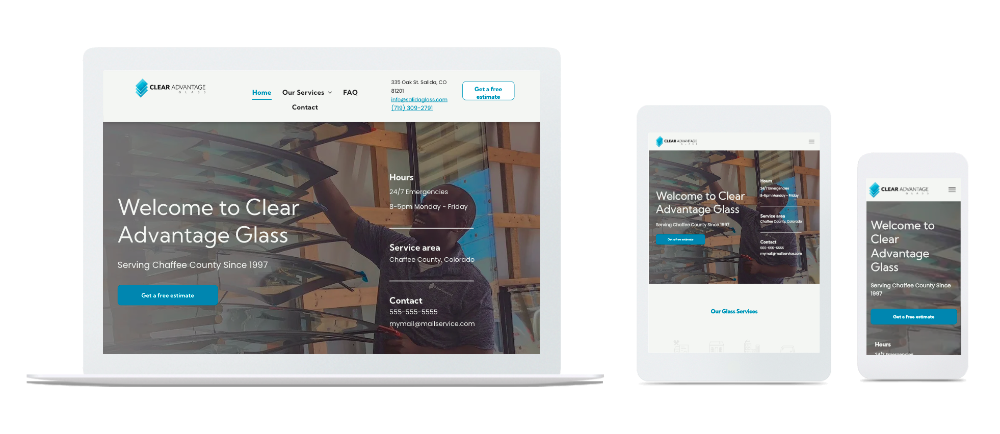
A website is displayed on a laptop , tablet , and cell phone.

Powerful SEO Service Packages That Deliver Results for Local Businesses

EZ Pages Pro helps local businesses boost online visibility, attract more qualified local visitors, and turn website traffic into loyal customers. Our SEO Service Packages blend technical improvements, strategic content, and competitor analysis—so your business sees measurable growth in traffic, engagement, and revenue.

TALK ABOUT YOUR WEBSITE

Why Local Businesses Choose Our SEO Service Packages

Our SEO packages integrate technical fixes, content tailored for your audience, and competitor intelligence—all powered by data to align your website and marketing with clear business goals and measurable outcomes.


Data-Driven, Local-Focused Strategy


We start with a comprehensive analysis unique to your local market—site audits, local competitor benchmarking, and performance tracking. For example, a recent client in Wyoming saw a 35% increase in organic sessions within three months after our prioritized technical updates and content improvements case study available on request


Transparent, No-Surprise Reporting


Each month, you'll receive a clear report covering keyword rankings, organic visits, engagement metrics, and conversion trends—so you always know how your SEO investment is paying off. You’ll get an annotated report, actionable next steps, and dashboard access for real-time tracking.


Proven Results, Backed by a Satisfaction Promise


Our tailored packages deliver: higher local rankings, more qualified traffic, and better conversion rates. If you’re not seeing measurable improvement in 90 days, we’ll provide an extra strategy session—at no additional cost—to realign your campaign and maximize your ROI.

Ready to outrank your local competition?

 Book an Audit Review or Call Us today.

or

to see exactly how you stack up in the local digital landscape.

Why Choose EZ Pages Pro for Your SEO Services?


Expert Team

Our seo experts — technical engineers, content strategists, and analytics specialists — deliver measurable outcomes. The team uses tools such as Google Search Console, Ahrefs, and PageSpeed Insights to diagnose issues and prioritize fixes that improve indexability and user experience.


Proven Methodology

We follow a repeatable, data-first process: audit → prioritize → implement → measure. Monthly cycles ensure your seo strategy adapts to search trends and business priorities so marketing efforts drive measurable business results.


Transparent Reporting

Track progress with clear monthly reports and dashboard access. Reports include rankings, organic sessions, engagement, and a concise ROI snapshot so you can connect our services to your business goals.


Customized Solutions

Our seo packages are tailored to your industry, competition, and growth plan — not one-size-fits-all. We align recommendations with your priorities and deliver CMS-ready assets for fast implementation.


White Hat Techniques

We use ethical seo strategies only — on-page optimization, content authority-building, and compliant outreach that follow search engine guidelines to protect long-term rankings.


Ongoing Support

Every client gets an account manager as a single point of contact, a monthly strategy call, and prioritized task tracking. Our team is available for strategy questions and implementation guidance throughout the engagement.


Foundation First SEO Package (One-Time)

SEO Audits & Health Repair

Get a comprehensive SEO audit of your website. We identify technical blockers — canonical errors that cause duplicate indexation, duplicate meta tags, crawl errors, broken links, and slow loading resources — then deliver a prioritized action plan and implement scoped fixes. Typical audit timeline: 7–14 days for analysis and a prioritized action list.


Best for:

New websites or sites needing a fast foundational health boost. This one-time package prepares your site so search engines can crawl, index, and rank pages effectively.


What's in scope

Our standard one-time audit covers up to 50 pages (adjustable by quote) and includes the technical analysis below. Implementation covers prioritized fixes agreed in the action plan — larger development work is scoped separately.

Includes:


  • Technical SEO audit and prioritized action plan (PDF + task list)
  • Identification and repair recommendations for critical SEO issues (server, indexability, canonicalization)
  • Page speed and Core Web Vitals recommendations to improve user experience
  • Fixing broken links, improving site structure, and internal linking guidance
  • Mobile responsiveness assessment and remediation guidance


Typical timelines & next steps:

Onboarding & audit: 7–14 days for full technical analysis and roadmap. After delivery we'll schedule a 15-minute review call to walk the prioritized list and estimate implementation time and cost.


Goal:

Create a technically soundsearch-engine-friendly foundation so future optimization, content, and on-page work produce reliable ranking gains and better organic traffic performance.

BOOK AN AUDIT REVIEW

SEO Competitor Edge Package (Monthly)

Comparative Analysis

Stop guessing what works. We analyze top-ranking competitors in your niche and strategically update four priority pages per month to make existing content more competitive for the search terms that matter. This package emphasizes surgical content updates and tactical on-page work to lift relevance and conversions without rebuilding your whole website.


How it works — snapshot:

  • Competitive gap analysis — identify top competitor pages, keyword overlap, and content structure with prioritized opportunities.
  • Backlink & authority check — monthly backlink summary highlighting realistic link opportunities and off-page SEO signals.
  • Content action plan — tactical copy, headings, and semantic keyword additions for 4 pages/month (1–2 targeted keywords per page).
  • Implementation guidance & measurement — publish updates, run small A/B tests where applicable, and monitor short-term movement.


Eligibility & timing:

Best when target pages already have some presence in Google (indexed or ranking). Typical onboarding: 1–2 weeks for analysis and an initial action plan; monthly cycles thereafter for updates and reporting.

Isometric illustration of two people analyzing data on computer screens and documents.

Quick checklist (who this works for)

  • Target pages are indexed and have baseline traffic or impressions.
  • You want focused, measurable gains without a full site overhaul.
  • Your team can publish updates or grant CMS access for implementation.


Best for:

Businesses aiming to outpace immediate rivals and boost existing content performance through targeted seo and on-page optimization.


Includes:

  • Comparative Analysis and prioritized page updates (4 pages/month)
  • Monthly SEO Audit Report focused on competitor movement and measurable signals
  • Competitor backlink review and practical outreach suggestions (advisory deliverable)
  • Content gap identification and strategic enhancement recommendations
  • Monthly performance notes and a clear next-step plan


Example outcome (anonymized)

After targeted page updates and backlink outreach, a client in a competitive niche improved visibility for five priority keywords and saw a 20% increase in qualified organic sessions over two months (anonymized case study available on request).


Goal

Strategically update key pages to challenge competitors for high-value terms, improving search visibility and qualified search traffic without heavy rework.

GET A COMPETITOR SNAPSHOT

Comprehensive SEO Powerhouse Package (Monthly)

All-in-One Monthly SEO Solution

This SEO powerhouse is a full monthly plan designed for businesses that want aggressive, sustained organic growth. We combine a one-time technical health audit with ongoing keyword-driven content, competitor updates, and continuous on-page optimization so your website builds subject-matter authority while remaining technically sound.


How AI is used (and human QA)

AI accelerates research and creates initial outlines and drafts; our editors and seo experts then fact-check, refine tone, perform plagiarism checks, and optimize each piece for on-page performance and user experience. Every deliverable receives human SEO QA before it’s delivered CMS-ready.


Best for:

Businesses committed to long-term organic traffic growth, content authority, and measurable marketing outcomes.


Includes (deliverables & format)

  • One-time technical SEO audit and prioritized implementation plan (PDF + task list)
  • Ongoing Keyword Research and Keyword Optimization for 4 pages/month (2–3 targeted keywords per page)
  • Comparative Analysis with prioritized page updates based on competitor rankings (4 pages/month)
  • Two AI-assisted, keyword-optimized blog posts monthly (up to 3000 words each) — delivered CMS-ready (HTML or markdown) with one editorial revision included
  • Monthly SEO Audit Report with performance tracking (rankings, organic traffic, engagement, conversions) and recommended next steps
  • Access to a performance dashboard and a monthly strategy call with your account team


Sample monthly timeline

  • Week 1: Keyword plan and editorial calendar; comparative analysis for target pages
  • Week 2: Drafts for 2 blog posts and page optimization briefs
  • Week 3: Publish optimized pages and posts; implement prioritized technical items
  • Week 4: Reporting, dashboard review, and monthly strategy call to align on next steps


Process & timelines

  • Onboarding & audit: 7–14 days for a full technical analysis and roadmap
  • Monthly cycles: continued keyword work, 4 page optimizations, and two blog posts delivered each month
  • Revisions: one editorial revision per blog post included; additional edits available


Ownership, compliance & ethics

You retain full ownership of all content. AI is used to improve efficiency; all final content is reviewed and approved by human editors. Off-page efforts follow white-hat practices with documented reporting to protect long-term rankings.


Pricing & next steps

Pricing is customized based on your current website size, competitive landscape, and business goals. Typical quotes factor in pages to optimize, monthly content volume, and required technical development. Contact us for a tailored proposal and minimum monthly commitment details.


Goal

Deliver measurable, long-term growth by covering every part of your SEO strategy: technical health, on-page optimization, competitive content updates, and consistent content production that drives qualified search traffic and supports broader digital marketing objectives.

GET STARTED

Optional Add-On: SEO AI Optimized Blog Posts (Monthly)

Produce consistent, high-quality long-form content that targets priority keywords and grows organic traffic. Add two thoroughly researched, AI-assisted blog posts to your plan each month (up to 3000 words each). Every post is delivered CMS-ready, fully keyword-optimized, and reviewed by our editors to ensure readability, factual accuracy, and on-page SEO best practices.


Process & timelines

  • Topic selection & brief: delivered within 3 business days after approval
  • Draft delivery: 7–10 business days per post (HTML/markdown or .docx)
  • Revisions: one editorial revision included per post; additional edits available

Quality, ownership & AI transparency

AI speeds research and first drafts; human editors perform fact-checking, plagiarism checks, and SEO QA. You retain full ownership and rights to the content. We clearly label AI-assisted items in deliverables and ensure final copy meets editorial and optimization standards.


Includes

  • Two AI-assisted, keyword-focused blog posts monthly (up to 3000 words each)
  • Keyword targeting and light keyword research for 1–3 keywords per article
  • SEO-friendly structure, meta tags, and internal linking suggestions
  • One editorial revision and final CMS-ready deliverable
Person edits a document on a laptop with a large pencil. A notebook, glasses, and phone lie nearby.

Best for

Marketing teams and businesses that need steady, optimized content to build subject-matter authority and improve organic search performance month over month.


Quick FAQ

  • Are images included? Posts are delivered text-only; images are available as an add-on (ask for licensed or custom illustrations).
  • Can we request topics? Yes — topics and briefs are approved before drafting.
  • How is quality measured? We track engagement, rankings, and conversions tied to each article in monthly reports.


GET BLOG POSTS

Coming Soon: High Authority Backlinks

We're expanding our SEO service packages to include a compliant, white-hat link building offering focused on editorial outreach, content partnerships, and authoritative placements. The phased rollout will emphasize quality measured by domain authority, topical relevance, and referral traffic impact.


Note: All link building follows search engine guidelines and ethical practices to protect long-term rankings; deliverables will include documented outreach and backlink reporting.

Frequently Asked Questions About Our SEO Packages

  • How long does it take to see results from your SEO services?

    To ensure your website is compliant, follow this ADA accessibility compliance checklist:


    Step 1: Familiarize yourself with the relevant legal documentation.


    Step 2: Ensure all media files and maps include an “alt” tag for accessibility.


    Step 3: Use descriptive HTML tags for all online forms.


    Step 4: Provide descriptive anchor text for all hyperlinks.


    Step 5: Include “skip navigation” links on all pages to facilitate easier navigation.


    Taking these steps not only helps your website meet ADA requirements, but also streamlines the user experience for everyone—regardless of ability. website compliance can seem daunting, but tackling accessibility thoughtfully is a practical way to support your business, your visitors, and your peace of mind. If you ever feel unsure about whether your site meets all necessary standards, consider reviewing the latest ADA and GDPR guidelines, or consult with an accessibility expert who can guide you through the process. Staying proactive in maintaining compliance helps you avoid legal complications and ensures your website is welcoming to all.

  • Do you guarantee first-page rankings?

    Yes, ADA compliance is legally required for all websites. This is especially crucial as the internet becomes a primary source for accessing services, information, and even voter information during elections, as mandated by the rehabilitation act.

  • What should I know about "guaranteed" SEO services?

    When evaluating SEO providers, you may come across promises of “guaranteed” rankings or first-page results. It’s wise to approach these assurances with caution. No legitimate SEO agency—think Moz, Ahrefs, or even Google’s own advice—can guarantee specific rankings, simply because search algorithms are complex and constantly evolving.


    Here’s what to keep in mind:


    • Ranking variables: Your site’s performance depends on hundreds of dynamic factors, including ongoing updates from search engines, competitive landscape, and even shifting user behavior.
    • Red flags: Be wary of firms promising overnight results or #1 rankings for highly competitive keywords. These claims often rely on manipulative tactics that can risk penalties or long-term damage to your site.
    • Focus on transparency: Trustworthy partners will set realistic expectations, provide clear reporting, and prioritize sustainable, ethical growth rather than quick fixes.

    Instead of chasing impossible guarantees, look for agencies that focus on improving overall site health, user experience, and measurable metrics—like qualified traffic and conversions—that directly impact your business goals. This approach ensures you’re investing in SEO strategies that stand the test of time, not shortcuts that could undermine your progress.

  • Can I switch between SEO packages as my needs change?

    Yes, the Americans with Disabilities Act (ADA) mandates that all businesses operating from a physical location and employing 15 or more individuals must comply with ADA standards.


  • What are the key ranking factors that SEO services optimize for?

    Modern SEO revolves around several core ranking factors—each fine-tuned to help your site gain visibility and authority in search results. The most vital areas include:


    • Backlink Profile: Quantity matters less than quality here. Search engines prioritize sites with natural, relevant, and authoritative backlinks. Think of it as your website’s “street cred”—earned by connecting with trusted sources in your industry.
    • Content Quality and Keyword Optimization: Engaging, informative content remains king. Effective SEO aligns your content with user intent, weaving in thoughtfully researched keywords while offering genuine value to your readers.
    • User Experience (UX): Factors like site speed, intuitive navigation, mobile-friendliness, and clear calls to action all play a role. Even the best content will fall flat if visitors bounce due to clunky design or slow load times.
    • Technical SEO: Clean site architecture, structured data (schema markup), secure connections (HTTPS), XML sitemaps, and logical internal linking all help search engines crawl, understand, and index your pages efficiently.

    While exact tactics can vary based on your chosen SEO provider or package—freelancer, specialist, or agency—most strategies target a tailored mix of these pillars to fit your specific goals and market. If you’re evaluating a service, ask about which factors they prioritize and how that aligns with your business objectives.

  • How do SEO optimization services drive revenue for businesses?

    Effective SEO goes far beyond ranking for vanity keywords—it’s about strategically connecting your business with high-value customers at every point in their journey. Here’s how well-executed SEO consistently lifts your bottom line:


    • Prioritizing Revenue-Driving Keywords: Focusing on search terms tied to buyer intent means you’re attracting prospects most likely to take action. For example, ranking for “best B2B CRM for small businesses” delivers leads ready to evaluate solutions—not just those idly browsing. We target these high-converting phrases to get your brand in front of ideal buyers right when they’re searching.
    • Turning Organic Traffic Into Measurable Sales: Modern tracking tools (like Google Analytics 4 and attribution platforms such as HubSpot or Adobe Analytics) let you follow the customer journey from Google search all the way through to that closed deal or purchase. This data closes the gap between SEO and ROI—you’ll see precisely which organic visitors become leads, customers, or repeat buyers.
    • Using SEO Insights to Amplify Marketing Impact: Every organic visit is a trove of usable data. First-party insights gleaned from SEO campaigns can inform your remarketing efforts, shape email outreach lists, and uncover fresh opportunities in paid and organic channels alike. Think of it as fuel for your entire marketing engine—helping you personalize messaging and boost conversions long after that first click.
    • Guided by Industry Pros and Best Practices: The digital landscape is always evolving—so are search algorithms. Having a team fluent in Google’s ever-changing rules (Core Web Vitals, E-E-A-T, AI search updates, etc.) ensures your SEO strategy keeps pace and continues driving meaningful results, no matter the climate.

    With the right approach, SEO is an investment that multiplies itself, supporting both steady growth and new revenue streams.


  • How can I determine which type of SEO service my business needs?

    Choosing the right SEO approach starts with understanding what kind of business you run and the goals you're hoping to achieve. While SEO isn’t one-size-fits-all, here are a few quick guidelines to help point you in the right direction:


    • Traditional (Standard) SEO: Ideal for most businesses aiming for broad visibility, especially if you serve clients beyond a specific region.
    • Local SEO: If your business relies on customers finding you in person—think cafés, dental offices, boutiques, or plumbers—local SEO ensures you stand out in “near me” searches and on Google Maps.
    • Ecommerce SEO: Online stores and retailers (whether you’re on Shopify, WooCommerce, or Magento) get the best results from campaigns focused on product listings, site architecture, and conversion-focused keywords.
    • Enterprise SEO: Organizations with large, complex websites—universities, publishers, or large brands managing thousands of pages—benefit from enterprise SEO strategies that scale and prioritize technical infrastructure.

    Still uncertain? Think about these questions:


    • Have you seen a drop in your online visibility or sales?
    • Are you primarily trying to attract local foot traffic, or do you serve customers nation- or world-wide?
    • How big and complex is your website?
    • Where do you want to grow: more leads, higher sales, or better brand awareness?

    For truly tailored recommendations, reach out and share your current challenges, business goals, and audience details. An experienced SEO partner will help you choose a strategy that fits—whether you’re a neighborhood bakery or a global retailer.


  • How much should SEO services cost?

    SEO pricing can vary widely—and for good reason. Your investment depends on the level of expertise, the depth of service, and whether you’re working with a freelancer, boutique agency, or a large firm. Typical ranges for small and mid-sized businesses start around $750–$2,000 per month for professional, ongoing SEO management.


    Here’s what shapes the price:


    • Scope of Work: Are you seeking full-service strategy, technical audits, on-page optimization, content creation, link building, or a blend?
    • Industry Competitiveness: Highly competitive markets (think finance or legal) require more resources to achieve meaningful results.
    • Expertise & Reputation: Established agencies and highly experienced consultants generally command higher fees, but often deliver faster, longer-lasting results.

    A word of caution—rock-bottom “cheap SEO” offers may rely on shortcuts or outdated tactics that put your site at risk. Prioritize transparent reporting, proven best practices, and a partner focused on your long-term growth rather than instant, unsustainable wins.


    If you’re unsure what’s fair for your business, request proposals from several reputable providers (look for a clear breakdown of deliverables and ROI). As with any professional service, investing thoughtfully in SEO pays off by growing your organic reach and supporting your broader business goals.


  • Why We Advise Against Cheap SEO

    Opting for bargain-basement SEO might seem appealing, but it usually comes at a steep cost—just not the kind you see on the invoice. Low-cost providers often cut corners with outdated tactics like keyword stuffing, spammy link schemes, or “thin” content that fails to engage real visitors. While these shortcuts may promise quick wins, they risk search engine penalties that can tank your website’s rankings or even get you deindexed entirely.


    Cheap SEO also tends to compromise on transparency and ongoing support. You might receive vague monthly reports, recycled strategies, or inconsistent communication. Over time, this holds back your online growth and can even undo hard-earned progress. Reputable SEO is an investment in your authority, reputation, and sustained organic performance—think quality over quantity, and future-proofing your results instead of chasing fleeting fixes.


  • How do I choose the right SEO service provider?

    Selecting an SEO partner can feel a bit like sifting through a labyrinth—there’s a dizzying array of freelancers, agencies, and consultants all claiming to deliver page-one results. Here’s a streamlined approach for businesses looking to narrow their options with confidence:


    1. Start with your own goals and resources. Before you even browse a single agency website, get clear on what you want to achieve from SEO. Are you chasing brand visibility, qualified leads, or e-commerce sales? Decide how hands-on you’d like to be and determine a realistic investment based on your marketing budget.
    2. Prioritize transparency. Look for providers who are upfront about pricing, deliverables, and reporting. You should receive detailed, jargon-free breakdowns—think clear monthly fees, timelines, and exactly what you’ll be getting each step of the way. If a prospective partner sidesteps your questions, consider it a red flag.
    3. Check for trust factors: case studies, reviews, and industry certifications. Any reputable SEO agency will be able to back up their claims with real-world results. Browse recent case studies, request client references, and look for certifications such as Google Premier Partner status, SEMrush certified agency, or recognition from respected industry organizations. These third-party validations can help separate the seasoned professionals from the pretenders.
    4. Consider service fit and digital integration. If your marketing touchpoints extend beyond SEO—think email, PPC, or content marketing—ensure your provider can play nicely in an omnichannel sandbox. Some agencies offer comprehensive digital solutions, syncing your channels for greater impact.
    5. Schedule a call or chat. Don’t underestimate the power of a real conversation. Use a call or video meeting to evaluate communication style, technical expertise, and cultural fit. Collaborating on organic growth is a marathon, not a sprint; you’ll want a team that feels like an extension of your own, not a mystery vendor behind the curtain.

    Following these steps will put you on the right path to building a transparent, results-driven partnership that supports both your near-term goals and long-term digital growth.


  • Why Use SEO Services Instead of Managing SEO In-House?

    Outsourcing your SEO offers clear advantages, especially if you want to stay focused on your strengths while ensuring your website gets the attention it deserves in organic search.


    • Specialized Expertise: SEO agencies come with dedicated professionals versed in local, technical, and off-page optimization. By working with experts who keep pace with the latest Google algorithm changes, you sidestep the learning curve and never miss a key update.
    • Time Savings: Coordinating keyword research, optimizing content, and building high-quality backlinks can eat up serious hours. With a team behind you, you free up your schedule to focus on business growth and client projects—without SEO tasks piling up.
    • Scalable Strategies: Agencies are equipped to ramp campaigns up or down quickly, and adjust your strategy as your goals evolve—no need to re-hire or retrain internally.
    • Cost Efficiency: Hiring, training, and retaining an in-house SEO specialist or team comes at a premium. Qualified agencies offer access to diverse skills and enterprise-grade tools—at a fraction of the cost of assembling (and managing) your own crew.
    • Consistent Support & Measurement: Track your performance through comprehensive reporting, from keyword rankings to traffic and conversions. With specialists monitoring your results, you’re equipped to make data-driven decisions faster—and with less guesswork.

    In short, delegating your SEO to seasoned specialists gives you strategic, technical, and reporting advantages—so you can maximize ROI and stay focused on what you do best.


  • Is there a minimum contract length for SEO service agreements?

    Yes—our SEO management packages are structured around a six-month initial agreement. This timeframe allows us to implement foundational strategies, monitor key metrics, and demonstrate meaningful progress (think improved rankings, growing organic traffic, and measurable conversions). After the initial period, plans can be adjusted or renewed based on your business goals and evolving needs. If you have questions about contract terms or need flexible arrangements, just let us know during your consultation.


  • Why Meet With SEO Companies Before You Hire Them?

    Meeting with potential SEO partners—whether that’s over Zoom, the phone, or face-to-face—gives you more than just a first impression. These conversations let you get a real sense of how well their team communicates, how transparent they are about their strategy, and whether their expertise lines up with what your business actually needs.


    Think of this step as your opportunity to ask tough questions, clarify your goals, and see how the agency responds to feedback. Does their process make sense? Are they upfront about timelines and expectations? Do they listen closely or just pitch cookie-cutter solutions? You’ll start to see if they care about your business or simply want to hand you a boilerplate plan.


    A reputable SEO provider will always make time for a conversation—they’re as invested in a good partnership as you are. On the other hand, if an agency hesitates to meet or dodges your questions, that’s a major red flag. Choosing an SEO agency is a significant investment, so trust your gut and don’t be afraid to keep looking if something feels off.


  • How do you measure the success of your SEO services?

    We measure performance with a combination of metrics: keyword rankings, organic traffic (sessions), engagement (bounce rate, session duration), and conversion rates (leads or sales). Monthly reports include an ROI-focused summary and action items tied to your business goals.

  • What role does keyword targeting play in maximizing SEO-driven conversions?

    Effective keyword targeting is at the heart of driving meaningful conversions from organic search. By identifying and prioritizing keywords with strong purchase intent—including transactional and bottom-funnel terms—you attract visitors who are more likely to take action, whether it's making a purchase, submitting a form, or scheduling a consult.


    Our SEO approach is built around in-depth keyword research to uncover the terms your ideal customers actually use at different stages of their journey. This ensures the content we optimize is both discoverable and compelling for qualified prospects—not just traffic for traffic’s sake.


    Focusing on intent-driven keywords doesn’t just increase visibility in search results; it directly impacts lead quality, conversion rate, and ultimately revenue. Through regular tracking and refinement, we continually align your keyword strategy with your business goals—so every ranking helps move the needle on results that matter most.


  • What are the advantages of using proprietary reporting dashboards and AI visibility tracking?

    Proprietary reporting dashboards and AI-driven visibility tracking bring a host of benefits for businesses looking to maximize their SEO investment.


    • Always-on transparency: Custom dashboards provide real-time, 24/7 access to your site’s performance, so you’re never left guessing about the current state of your search campaigns.
    • Clearer insights: With automated AI tracking, you know exactly how your target keywords are trending, which pages are gaining traction, and where opportunities are emerging—all without sifting through spreadsheets or waiting for a monthly summary.
    • Competitive edge: These tools can highlight how your visibility stacks up against your competitors, offering data-backed insights you can use to adjust your strategy and maintain your edge in the market.
    • Local SEO advantages: Many dashboards come equipped with features for tracking your rankings in local map packs, monitoring your citation consistency, and identifying gaps in your local presence.
    • Actionable clarity: Everything from content performance to backlink growth is tracked and visualized, making it far easier to identify what’s working, spot issues quickly, and make data-driven decisions that tie directly to your business goals.

    Ultimately, using these advanced tools streamlines your workflow and brings much-needed transparency, helping you prioritize next steps and communicate value internally—without needing a PhD in analytics.


  • How does an SEO platform enable tracking of leads and sales from organic traffic?

    Modern SEO platforms bridge the gap between marketing and sales by using integrated analytics and tracking technologies. These tools connect the dots from a user's first organic search visit all the way through to their final conversion—whether that's a signed contract, completed purchase, or new subscription.


    Here's how it typically works:


    • Attribution Tracking: With tools like Google Analytics, HubSpot, or Matomo, every visit from organic search is tagged and monitored. This lets you see exactly which keywords or landing pages are bringing in new prospects.
    • Conversion Monitoring: When someone fills out a form, downloads a whitepaper, or requests a demo, that action is recorded and attributed back to the original traffic source—so you’ll know if SEO is moving the needle.
    • CRM Integration: Leading platforms sync directly with your sales CRM (like Salesforce or Zoho), mapping site visits and conversions to actual deals and customers.
    • ROI Calculations: Monthly or real-time dashboards break down how much organic traffic contributed to leads and closed business, giving you a clear, data-driven view of SEO’s impact on revenue.

    By tying each lead and sale back to its SEO origin, you can confidently demonstrate ROI and guide ongoing strategy with hard numbers rather than guesswork.


  • How do you track the revenue impact of SEO, not just traffic?

    Tracking SEO success goes well beyond monitoring keyword rankings and monthly traffic surges—what ultimately matters is the revenue and real business growth those efforts deliver. To get a clear picture, we help businesses tie SEO performance directly to outcomes like leads, sales, and revenue.


    Here’s how you can connect the dots between SEO and your bottom line:


    • Set up conversion tracking using tools like Google Analytics and Google Tag Manager to monitor actions that translate to revenue—think purchases, form fills, sign-ups, or booked appointments.
    • Implement end-to-end attribution that traces every lead’s journey from their initial organic visit through to final sale or closed deal. CRM integrations (such as HubSpot or Salesforce) make this seamless and allow detailed ROI tracking for each campaign.
    • Analyze keyword and page-level performance to identify which topics, keywords, or content types are consistently bringing in your highest-value conversions—not just generic traffic.
    • Regular revenue reporting helps clarify which parts of your SEO strategy generate actual business growth. We provide dashboards and monthly summaries so you see the full picture, not just vanity metrics.

    If you want to accurately gauge your SEO’s financial impact, focus on these actionable measures. By keeping revenue and meaningful business outcomes front and center, you’ll have everything you need to make informed decisions about your SEO investment—and clearly demonstrate tangible growth to stakeholders.


  • What makes an SEO agency truly proactive, transparent, and data-driven?

    Clients often highlight three key qualities when sharing positive experiences with SEO partners:


    • Proactive support: The best agencies don’t wait for problems to arise—they anticipate changes in search algorithms (think Google’s next update), spot new content opportunities, and regularly bring fresh ideas to the table before you even have to ask.
    • Transparency at every step: You’ll receive clear communication on strategies, setbacks, and successes—no smoke and mirrors. From detailed monthly reports to easy-to-follow action plans, a truly transparent agency will always help you understand exactly where your investment is going, and why.
    • Data-driven decisions: Instead of relying on hunches, data-driven agencies make every move based on real numbers and ROI. Expect ongoing performance tracking with benchmarks, custom KPIs, and regular check-ins to tie achievements directly to business outcomes.

    When client reviews mention proactivity, transparency, and data-driven practices, they’re usually referring to agencies that act as true extensions of their in-house teams—aligning strategies with your goals, communicating openly, and delivering measurable results that actually move the needle.


  • How does full-funnel ROI tracking improve transparency and justify SEO investment?

    Full-funnel ROI tracking lets you see exactly how users interact with your site, from the first click in Google Search or Bing to their final conversion on your landing page. With tools like Google Analytics, Looker Studio dashboards, and Matomo, you’re able to follow the customer journey in detail—watching how SEO-driven visitors engage, what actions they take, and which channels ultimately drive revenue.


    This level of transparency makes it much easier to connect your SEO efforts to actual business outcomes. When you can show how a ranking improvement led to more traffic, which then turned into leads or sales, you’re arming yourself with data leadership will appreciate. Instead of gut feelings or vague "organic growth," you’re making the case for SEO as a strategic, revenue-generating investment—backed by clear numbers, not just hope.


    • Track and tie keyword rankings to conversions
    • Attribute revenue to SEO campaigns (not just pageviews)
    • Identify which optimizations deliver the biggest ROI

    Ultimately, this approach demystifies SEO performance. It shifts the conversation away from vanity metrics and toward measurable impact—so you can build support for ongoing search optimization and confidently invest in what works.


  • What’s included in your SEO audit?

    Our audit covers technical analysis (crawlability, indexability, canonicalization), site speed and Core Web Vitals, on-page review (meta tags, headings, schema), backlink profile overview, and content gap analysis. Deliverables: a prioritized action plan and a PDF report. Typical turnaround: 7–14 days.

  • Do you offer local SEO and Map Pack optimization?

    Yes. We provide local SEO services including Google Business Profile optimization, local keyword targeting, citation and NAP consistency checks, and review strategy guidance. Local services can be included in specific plans or added as an option depending on your needs.

  • Which SEO package is right for my business?

    Choosing the ideal SEO approach depends on your business goals, structure, and audience:


    • Traditional SEO works well for most businesses aiming to boost their overall online visibility and attract a broad audience through search engines.
    • Local SEO is a smart choice for brick-and-mortar stores, medical practices, law firms, and service providers who serve a specific city or region. It's especially valuable if customers visit your location or you provide services in their area.
    • Ecommerce SEO is designed for online retailers—whether you run a Shopify, WooCommerce, or Magento store—where optimizing product and category pages is critical for converting searchers into buyers.
    • Enterprise SEO is built for large organizations or websites with thousands of pages (think universities, national brands, or media outlets). This approach focuses on complex site structures, automation, and scalability to maintain search health at scale.

    If you’re unsure where your business fits, we’re happy to help you evaluate your needs and match you with the best-fit solution.


  • What are the advantages of working with a local or US-based SEO agency?

    Choosing a local or US-based SEO agency offers several distinct benefits for businesses operating in the States or who prioritize seamless coordination. Here’s why proximity and shared context matter:


    • Aligned Time Zones: Scheduling meetings or tackling last-minute tasks becomes much less complicated—no late-night calls or confusing time conversions.
    • Local Knowledge: US-based agencies have a firm grasp on regional search behavior, industry-specific regulations, and cultural trends relevant to your audience. This insight helps tailor strategies that resonate and comply with evolving standards (think ADA, CCPA, or local privacy requirements).
    • Better Communication: Face-to-face meetings, on-site visits, or responsive real-time collaboration are easier to arrange when your partner is nearby.
    • Shared Business Landscape: Local agencies are more likely to understand the unique challenges and opportunities of your market, which can be invaluable during seasonal campaigns or rapid changes in your industry.

    While there are great agencies across the globe, partnering with a local team can streamline communication, foster trust, and help keep your SEO strategy in sync with shifting US search trends and compliance laws.


  • Who will I work with day-to-day?

    Each client receives an account manager who coordinates the project, schedules monthly strategy calls, and connects you with technical and content specialists. The account manager is your single point of contact for questions and prioritization.

  • How does real-time data and AI-driven insights influence SEO campaign optimization?

    Modern SEO strategies now rely on real-time data and AI-driven insights more than ever before. Instead of reacting slowly to changes, we’re able to spot trends as they emerge, making it possible to adjust keyword targeting, content topics, or technical site elements with remarkable precision. Tools powered by artificial intelligence—such as Google’s RankBrain or machine learning platforms like SEMrush and Ahrefs—help us forecast shifts in search intent, personalize recommendations, and identify untapped opportunities.


    Here’s how these advances benefit your campaigns:


    • Up-to-the-Minute Adjustments: By monitoring live performance data, we can adapt campaigns in real time, whether that means tweaking on-page content, reallocating budget toward high-impact keywords, or strengthening technical SEO.
    • Enhanced Content Optimization: AI tools analyze millions of search queries and user behaviors to guide the creation of highly relevant, high-converting content.
    • Smarter Decision-Making: Data-driven insights highlight what’s working (and what needs work), enabling us to shift strategy quickly and ensure each move aligns with your business objectives.

    The end result? Your SEO isn’t just set-and-forget. It’s a living, evolving system designed to help you stay visible and competitive—no matter how search engines or user habits evolve.


  • What is the typical price range for SEO services and SEO consulting?

    The investment required for SEO services and consulting can vary widely based on your website’s needs, the competitive landscape, and the level of expertise you’re seeking. As a general guideline:


    • Monthly SEO retainers: Most businesses budget between $1,500 and $5,000 per month for ongoing SEO services that cover strategy, implementation, and regular reporting.
    • Hourly consulting: For project-based or advisory work, expect rates to generally fall between $100 and $300 per hour, depending on the consultant’s experience and scope of services.

    It’s wise to compare a few providers, look for agencies with transparent deliverables, and be wary of offers that seem “too good to be true”—high-quality, sustainable SEO is an investment that pays off over time.


  • Is it worth paying for professional SEO services, and what factors affect the value?

    Investing in professional SEO can be highly worthwhile—but the true value depends on your business’s situation and goals. Here are a few core considerations to keep in mind:


    • Budget and Expectations: High-quality, results-driven SEO typically requires a meaningful investment. If your monthly budget is quite limited, you may not access the level of expertise, tools, or strategy needed to move the needle on rankings or growth.
    • Internal Resources: If your team is already stretched thin or lacks the time and technical skills for SEO, enlisting a dedicated professional makes sense. An SEO partner can take the lead on strategy and execution so your team stays focused on other priorities.
    • Business Model & Average Transaction Value: The return you see from SEO often correlates with your average sale or lead value. If you make small-ticket sales, it can take considerable traffic (and time) to break even on your SEO investment. For businesses with higher-value transactions, even modest improvements in rankings can deliver substantial returns.
    • Growth Goals & Competition: If you operate in a competitive niche or have ambitious growth targets, professional SEO support is often essential. A proven agency or consultant can help you identify the right opportunities, avoid common pitfalls, and outpace competitors.

    Ultimately, the value of professional SEO comes down to aligning your goals, resources, and investment. Take the time to research providers, ask for transparency around pricing and expected outcomes, and make sure their strategies support your long-term vision. This approach ensures your SEO dollars work harder for your business.


  • What is the typical starting price for effective, data-backed SEO services?

    For businesses aiming for real growth in 2025, a robust and results-driven SEO plan typically starts at around $3,000 per month. At this investment level, you can expect a comprehensive initial audit, a customized ongoing action plan, and strategies built on advanced analysis—often drawing, like leading agencies do, from billions of real search data points. Beyond just rankings, these campaigns are built to adapt to future algorithm changes and are tailored around your unique business goals.


  • How do I know when my business needs SEO support, or when it’s time to outsource?

    Recognizing when your business could benefit from professional SEO support—or when to consider outsourcing—often comes down to a few clear signs:


    • Stagnant or declining organic traffic: If you notice your website’s visitor numbers aren’t growing despite regular content updates, it’s time to dig deeper.
    • Limited in-house resources or expertise: SEO grows more complex each year. When your team can’t keep up with changing algorithms or technical challenges, outsourcing to seasoned experts may be a smart move.
    • Competitors outranking you: If similar businesses consistently appear ahead of you on Google for your target keywords, professional SEO support can help level the playing field.
    • Lack of measurable results: You shouldn’t have to guess whether your marketing spend is delivering returns. Outsourcing to an established provider often means transparent reporting tied to business outcomes.

    Whether you need occasional consulting or a dedicated partner, investing in professional SEO frees up your in-house team to focus on what they do best—while specialists manage your site’s search visibility and continual optimization behind the scenes.


  • Why does SEO need to evolve beyond traditional methods in the age of AI and omnichannel search?

    The digital landscape has shifted dramatically—today’s users don’t just type a search into Google and call it a day. They’re consulting AI chatbots like ChatGPT, scouring social platforms such as TikTok and Reddit, and leaning on tools like voice assistants and smart devices to find answers. This new reality means search doesn’t start and stop with traditional engines, and your SEO strategy shouldn’t either.


    Adapting to this ecosystem means optimizing content not only for search engines, but also for AI-driven answers, social discovery, and even offline touchpoints that build your brand’s credibility. Embracing other platforms—like LinkedIn, YouTube, and Apple’s Siri—ensures your business meets users wherever their digital journey takes them.


    To keep up, modern SEO has to blend technical best practices with thoughtful content, brand authority, and adaptability to emerging channels. In short: a future-proof approach to SEO is one that’s just as versatile as your audience’s habits.


  • How does the focus of an SEO service provider (freelancer, consultant, agency) affect deliverables?

    When it comes to SEO services, the type of provider you choose—freelancer, consultant, or agency—can significantly shape what you receive:


    • Freelancers often zero in on one or two core areas, such as link building or on-page optimization. You might hire a specialist to clean up your backlink profile or write highly targeted, keyword-rich blog posts. Freelancers can be a great fit for targeted projects or when you need deep expertise in a single area.
    • Consultants typically provide strategic recommendations based on comprehensive audits. Expect a roadmap: after assessing your site’s strengths and weaknesses across technical, content, and off-page factors, they'll outline prioritized steps for improving rankings. Consultants are ideal if you need hands-on guidance or help crafting a big-picture SEO strategy, but don’t require ongoing execution.
    • Agencies bring you the full package. From technical fixes (like crawl optimization and speed improvements) to in-depth content marketing, digital PR, and ongoing analytics, agencies coordinate cross-functional teams to cover on-page, off-page, and technical SEO efforts. If your goals are ambitious, your competition fierce, or you want a one-stop partner to handle every phase of SEO—including regular reporting and proactive adaptation—an agency usually delivers the most comprehensive approach.

    Bottom line: Your deliverables will reflect the provider’s focus—whether that's hands-on execution in specific niches, tailored strategy, or a blend of both across your entire SEO ecosystem. Be sure to ask for a detailed service list so you can match your choice to your website’s goals and resources.


  • What information should I share with an SEO agency to get the best recommendation?

    To ensure you receive a tailored SEO strategy, it’s helpful to come prepared with a snapshot of your business’s current landscape and expectations. When reaching out to an agency, consider sharing:


    • The specific challenges you’re facing—such as a drop in search visibility, stagnant traffic, or technical site concerns.
    • Any previous SEO initiatives, including successes, lessons learned, or vendors you’ve worked with before.
    • Insight into your ideal customer: Are you targeting a local community, a national audience, or even an international market?
    • Your primary objectives for SEO—whether you want to increase qualified leads, improve online sales, grow brand awareness, or something else entirely.

    Painting a clear picture of your business goals and context helps the agency offer recommendations that actually move the needle for you, instead of suggesting one-size-fits-all packages. Open, detailed communication at the start sets the foundation for a productive partnership and measurable results.


  • Why should I consider providers that offer full-funnel or omnichannel marketing solutions?

    Choosing a provider with full-funnel or omnichannel marketing capabilities means you’re not just checking off one digital box—you’re investing in a strategy built for longevity and scale. These providers understand how SEO, PPC, email campaigns, social media, and even new channels like TikTok or interactive video can all work in concert to move your visitors seamlessly from awareness to conversion.


    The benefit? No more silos or guesswork. When your marketing channels speak to each other—using data and insights from SEO to inform your PPC remarketing, or leveraging social media engagement to tailor your on-site messaging—you get a more unified brand experience and smarter resource allocation. It also means clearer reporting so you can see not just isolated wins, but how your collective efforts drive real business outcomes.


    In short, omnichannel partners help you connect the dots, adapt to changing trends, and maximize every marketing dollar. This approach is especially valuable if your business wants to future-proof growth, coordinate campaigns across Facebook, Google, and LinkedIn, or simply get more mileage from your marketing investment.


  • Why should businesses focus on organic visibility beyond Google and Bing?

    As user habits continue to evolve, more people are searching for information across a broad landscape of digital platforms—far beyond the traditional Google and Bing search engines. Today’s journey might begin on a search engine, jump to a social media platform like Instagram or TikTok, and then explore answers generated by AI-driven tools such as ChatGPT or Perplexity.


    Prioritizing visibility wherever your target audience is searching opens up new opportunities:


    • Users diversify their search habits: Platforms like YouTube, Reddit, Pinterest, and LinkedIn are key destinations for research and brand discovery.
    • AI search is reshaping discovery: AI tools now aggregate information from across the web, curating content in new and dynamic ways.
    • Social search is on the rise: Younger users, in particular, often turn to platforms like TikTok or Instagram for product reviews, recommendations, or service insights.
    • Building authority happens everywhere: Consistently showing up across multiple digital touchpoints strengthens your brand’s trust and relevance in your industry.

    By expanding your organic presence—whether through optimizing social profiles, sharing expertise on topic forums, or engaging where your audience is active—you’re not just keeping up with today’s search landscape, but setting your business up for sustainable growth in tomorrow’s.


  • How can first-party data from SEO campaigns fuel omnichannel marketing efforts?

    Harnessing first-party data from your SEO campaigns empowers your broader marketing strategy well beyond search rankings. When organic visitors interact with your site, you gain direct insight into their behavior, preferences, and needs—all without relying on third-party sources.


    Here’s how this data becomes a cornerstone for omnichannel marketing:


    • Personalized Remarketing: Use traffic and engagement data from your website to create tailored audiences for Google Ads, Meta, or LinkedIn retargeting campaigns. This ensures your messaging stays relevant across multiple platforms.
    • Email Outreach & Segmentation: Segment your email lists based on organic user interests, previous actions, or content consumed, enabling you to send more personalized and timely campaigns.
    • Content Planning Across Channels: Analyze which keywords and pages attract the most valuable visitors, then repurpose high-performing topics for your blog, social media, or YouTube channel.
    • Improved Customer Journeys: Integrate onsite behavioral data with your CRM or marketing automation platform (like HubSpot or Salesforce), allowing for seamless, consistent experiences regardless of channel.

    The end result? Your marketing becomes smarter—reaching the right people, in the right place, with the right message, thanks to insights only first-party SEO data can deliver.


  • Why is transparency in pricing, deliverables, and reporting important when hiring an SEO provider?

    Choosing an SEO partner is a big decision—and transparency is essential every step of the way. Clear pricing prevents unwelcome surprises in your invoices and helps you accurately plan your marketing budget. When your provider outlines exactly what is (and isn’t) included, you’ll know up front what tasks and outcomes to expect—whether it’s link-building, site audits, or content updates.


    Transparent reporting is equally critical. Detailed, regular reports help you understand both the progress being made and how your investment is performing relative to your goals. If a provider ever hesitates to fully disclose pricing, deliverables, or their approach to reporting, it’s a signal to proceed cautiously. Trustworthy SEO professionals—whether freelance, agency, or consultant—should offer clear, written scopes of work and timelines so you can make informed, confident decisions.


  • What factors should I consider when selecting an SEO company, freelancer, or consultant?

    Choosing the right SEO partner is an important decision that can shape your company’s visibility and online growth. Here’s what to keep in mind as you begin your search:


    • Clarify Your Objectives Upfront: Before reaching out to any SEO professionals, identify the specific business outcomes you’re targeting. Are you looking to increase leads, boost ecommerce sales, strengthen your local presence, or something else? Defining these goals—and the budget you’re comfortable with—will help you evaluate whether a potential partner is aligned with your needs.
    • Prioritize Transparency: Reputable agencies and freelancers should be crystal clear about their processes, pricing, timelines, and deliverables. Ask for detailed outlines of what’s included in their services, how progress will be measured, and what kind of reporting you’ll receive. If someone avoids providing specifics or dodges your questions, that’s a sign to keep searching.
    • Vet Their Experience and Reputation: Trust is paramount. Review their case studies, ask for references, and check platforms like Google Reviews or Clutch.co for client feedback. Look for relevant certifications—Google Partner status or similar industry qualifications can indicate both expertise and a commitment to best practices.
    • Seek a Holistic Approach: Your SEO strategy should support your wider digital marketing efforts. Providers who understand how SEO interacts with paid ads, social media, and content marketing can help you build a more resilient and integrated online presence. Bonus points if they can coordinate or advise on these efforts directly.
    • Evaluate Communication and Fit: Schedule a call or meeting (virtual or in-person) to get a sense of their approach, communication style, and willingness to collaborate. Strong partners will take time to understand your business, answer questions thoroughly, and set realistic expectations upfront.

    With these criteria in mind, you’ll be better equipped to select an SEO consultant, freelancer, or agency that not only has the technical chops, but also shares your vision and commitment to ethical, sustainable growth.


  • What are the benefits of outsourcing SEO tasks to an agency or service provider?

    Outsourcing your SEO can be a strategic move—especially if you want proven expertise and efficiency without having to dramatically scale your in-house team. Here’s how hiring a dedicated agency or service provider can give your business an edge:


    • Access to Specialized Skills: Agencies are often equipped with specialists in technical SEO, local optimization, off-page strategies, and more—so you get a blend of expertise that’s hard to assemble internally.
    • Time Savings: By delegating ongoing SEO tasks (think: keyword research, backlink outreach, and on-page optimization), your team can stay focused on core projects that require your unique expertise.
    • Cost-Effectiveness: Running a full-scale SEO program in-house can be costly. Agencies let you tap into scalable services—often at a fraction of the cost of hiring and training additional employees.
    • Data-Driven ROI Tracking: Established agencies use industry-recognized tools like SEMrush, Ahrefs, or Moz to provide clear reporting and actionable insights. This means you can measure performance and adjust strategy without wrestling with dashboards or spreadsheets.
    • Scalable Support: With an external team, it’s easier to ramp up SEO efforts or pivot strategies as your needs evolve, whether you’re focused on growing locally or expanding internationally.

    Ultimately, outsourcing your SEO ensures your site stays competitive and compliant with best practices—so you can spend more time working on what uniquely drives your business forward.


  • What is meant by a comprehensive SEO approach that includes visibility across multiple search channels?

    A comprehensive SEO approach goes beyond optimizing for just Google or Bing. Today’s digital landscape is more dynamic than ever, with user behavior constantly evolving. People discover information not only through traditional search engines, but also via platforms like YouTube, TikTok, Instagram, AI-powered tools, voice assistants (think Siri or Alexa), and even mapping services.


    • Multi-channel visibility means your content, brand, and business information are discoverable wherever your audience might be searching or asking questions.
    • This includes optimizing your profiles and content for platforms such as Google Business Profile, Apple Maps, Yelp, YouTube, and emerging AI search assistants like ChatGPT or Perplexity.
    • A robust strategy weaves together on-site optimization, local SEO, LLM/AI tool presence, and strengthening your brand’s authority—both online and offline.

    In practice, this comprehensive method ensures your business isn’t missing out on valuable audiences who search outside of the traditional search boxes. By embracing a broader approach, you’ll maximize organic visibility, reach more customers, and future-proof your digital presence as new channels and technologies keep emerging.


  • How does SEO help generate leads, sales, or other key outcomes for businesses in different industries?

    No matter your sector—be it manufacturing, healthcare, SaaS, or custom home services—effective SEO is a lever for meaningful business growth. Let’s look at how targeted SEO strategies drive results beyond simple website traffic:


    • Manufacturing & Specialized B2B Services: For companies in manufacturing or outdoor structures, tailored content that answers specific buyer questions and location-focused optimizations can increase quote and inquiry requests. Adding internal links, optimizing product or service pages, and addressing technical SEO helps ensure buyers find exactly what they need—resulting in more leads and better conversion rates.
    • Healthcare & Rehabilitation: In healthcare, SEO-optimized content for treatment options and educational blogs helps users searching for help connect with your programs. Integrating clear calls to action and streamlining online forms make it easy for site visitors to take the next step, whether that means reaching out for information or scheduling a consultation.
    • SaaS & Tech Solutions: For SaaS providers, SEO strategies center on building authoritative content around features and capabilities, as well as tightening the internal linking structure so potential customers can navigate effortlessly. The result? Higher free trial signups, improved conversion paths, and a measurable decrease in cost per lead.
    • Home Services & B2C Offerings: Home improvement businesses benefit greatly from refreshing service page content, using strategic keywords, and enhancing website navigation. These optimizations ensure your business appears prominently for people ready to hire, boosting estimate requests or direct sales.
    • Data-Driven Results: Across all industries, integrating tools to track leads and sales from SEO efforts means you can tie organic visibility directly to bottom-line growth. Campaign improvements—from technical audits to AI-powered content strategies—are always informed by what actually drives results in your sector.

    Whether your goal is more contact form submissions, quote requests, signups, or direct sales, a customized SEO approach ensures your website works as a highly effective business development tool. Strategic adjustments—like improved user experience, thoughtful content, and transparent performance tracking—translate to measurable upticks in leads and revenue.


  • What are best practices for choosing an SEO company?

    Selecting the right SEO company can make a significant difference in achieving your online goals, so it’s important to evaluate your options carefully. Here’s what to keep in mind:


    • Transparency and Communication: Look for agencies that are candid about their processes and provide clear, regular reporting. Ask about what deliverables you’ll receive and how often you’ll hear from your account manager.
    • Proven Track Record: Review case studies or ask for references—reputable SEO firms will have a portfolio of measurable results or client testimonials. You might check reviews on third-party sites like Clutch, G2, or Trustpilot.
    • Customized Strategies: Be wary of “one-size-fits-all” solutions. The best SEO partners assess your unique business goals, website, target audience, and competitors before recommending a tailored approach.
    • White-Hat Practices: Confirm that the company adheres to search engine guidelines and ethical backlinking—avoid agencies that mention shortcuts or guarantee instant results, as this raises compliance and long-term stability concerns.
    • Experience in Your Industry: Agencies familiar with your market can hit the ground running and anticipate common pitfalls. Don’t hesitate to ask if they’ve served similar businesses or verticals.
    • Clear Contract Terms: Before committing, understand the contract’s scope, deliverables, and exit options. A trustworthy agency will welcome your questions and walk you through the fine print.

    Researching and asking the right questions up front can help you partner with an agency that builds both your rankings and confidence.


  • What kind of revenue growth can clients expect compared to the industry average?

    Recent findings from Deloitte’s annual CMO Survey shed some light on the results you can expect from a well-executed SEO strategy. Businesses that prioritize modern SEO best practices have seen revenue growth rates significantly above the industry average—some reporting up to 81% greater increases than their peers. Specifically, a notable portion of SEO-driven companies experienced revenue jumps of 15% or more within a single year. If building long-term revenue momentum is your focus, investing in strong SEO isn’t just smart—it’s proven.


  • How has the adoption of large language models (LLMs) and advanced SEO strategies impacted website traffic?

    Incorporating large language models (LLMs) alongside forward-thinking SEO techniques can make a substantial difference in your website traffic—especially as online search continues to evolve. Many organizations have discovered that adapting to these changes early (think: the way major nonprofits and certification bodies did in 2025) can help maintain and even boost visibility amidst the surge of AI-driven search tools.


    By embracing LLM-aware optimization, websites can:


    • Tap into emerging traffic sources like AI-powered answer engines (e.g., Bing Copilot, Google SGE, ChatGPT plugins).
    • Mitigate the impact of zero-click searches, where users find their answers directly on the results page.
    • Expand reach beyond classic blue-link search, capturing audiences via featured snippets, knowledge panels, and voice assistants.

    For example, some health and public service organizations saw more than double the traffic from AI-enhanced search tools after shifting their content strategy. The key lesson? Staying flexible and optimizing content for both humans and AI-powered engines will help your website remain visible as digital search transforms.


  • What results have clients achieved after working with a top-rated SEO agency, according to third-party sources like Deloitte and Clutch.co?

    Independent industry reviews and data-backed surveys highlight substantial improvements for businesses that invest in expert SEO services. For example, Deloitte’s 2025 CMO Survey found that companies working with leading SEO agencies consistently saw revenue growth significantly above the industry average—often 15% or more year over year. Additionally, top agencies frequently rank among the highest rated on trusted platforms like Clutch.co, standing out from hundreds of thousands of competitors based on verified client outcomes and satisfaction. These third-party evaluations affirm that partnering with a reputable SEO firm can be a catalyst for long-term growth and tangible returns.


  • How can case studies, reviews, and certifications help me evaluate SEO providers?

    Case studies, reviews, and professional certifications are valuable tools for identifying trustworthy SEO partners. Case studies offer a transparent look at an agency’s achievements—letting you see measurable results they’ve delivered in your industry or a similar niche. Reviews from real clients provide insight into the agency’s reliability, communication style, and commitment to service, helping you gauge what it’s actually like to work with them.


    Don’t overlook professional certifications from recognized organizations like Google, Moz, or SEMrush. These endorsements demonstrate an agency’s expertise with specific platforms and their commitment to staying current with industry standards. Taken together, these trust signals can help you compare your options with confidence—and ultimately choose an SEO provider that aligns with your business goals.


  • Should businesses invest in domestic (USA) SEO services or consider outsourcing abroad?

    Choosing between U.S.-based SEO providers and outsourcing overseas depends on your specific goals, communication preferences, and the nature of your business. There are practical benefits to partnering with domestic agencies such as working in the same (or similar) time zone, easier collaboration during business hours, and familiarity with regional trends, consumer behaviors, and compliance requirements—including ADA and GDPR mandates. U.S. agencies also tend to have hands-on experience with local directories (like Yelp and Yellowpages), industry standards, and can more readily adapt strategies for your unique target market.


    That said, reputable SEO firms exist worldwide and may offer competitive pricing or specialized expertise. The key is to weigh considerations like transparency, accountability, and the ease of long-term partnership. Ultimately, seamless communication and an agency’s understanding of your audience often make a strong argument for working with a domestic team—especially if your primary market is within the U.S.


TALK ABOUT YOUR WEBSITE

Related Blog Articles

Isometric illustration of a data cube with targets, charts, and global icons, in orange, blue, and pink.
November 14, 2025
Boost your small business's online presence with 7 proven local SEO strategies from EZPages.Pro. Optimize your Google Business Profile, improve local search ranking.
Woman in glasses holding clipboard with charts, surrounded by documents and a magnifying glass.
April 29, 2025
Unlock your small business's potential with these 7 essential SEO features. Learn how to implement them easily and enhance your online visibility today!
Man in mask and woman interacting with a large phone displaying a Google login screen.
By by EzPages.Pro June 30, 2024
Unlock the full potential of your Google Business Profile with our comprehensive guide. Learn tips and strategies to enhance visibility and attract more customers.
Website interface with
September 1, 2023
Discover everything you need to know about Google's new Core Web Vitals update, including the impact of INP on your website's SEO and performance in March 2024.
a screenshot of a website that says convert users into long customers
April 13, 2023
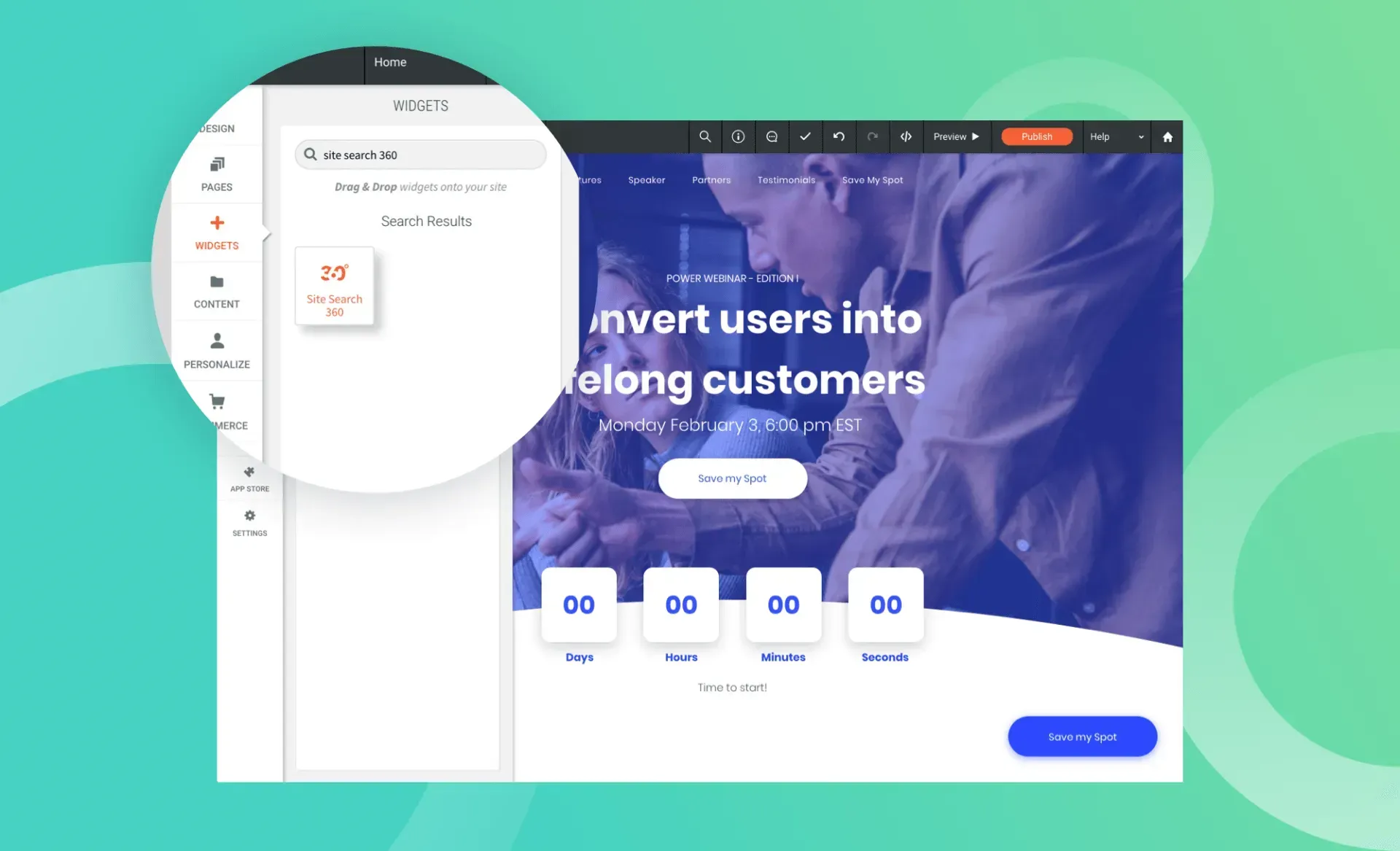
Site Search 360 comes with its own widget is available in the EzPages.Pro App Store. It gives you a complete site search solution
Images showing example of core web vitals and Ezpages.pro
By EzPages.Pro February 15, 2023
EzPages.Pro maintains a comprehensive process for improving Core Web Vitals for all websites on its platform. Here are the details by EZ Pages Pro
READ MORE POSTS
an isometric illustration of a rocket being launched

Ready to Boost Your Online Visibility?

Our SEO service packages and tailored strategy help your business achieve sustainable growth through improved search visibility, targeted traffic, and measurable results.


Speak with us for a quick, no‑obligation site review — we’ll highlight the top 3 opportunities for faster wins.

TALK ABOUT YOUR WEBSITE