Websites for Startups: How to Launch Fast, Look Credible, and Convert Visitors
A startup website is more than a digital business card. It is the hub where customers, talent, and investors decide whether your company is worth their time, energy, and money. In 2026, founders who launch without a polished site are leaving traction on the table. This article walks you through what startup websites need, what they cost, and the fastest path to getting yours live.
Key Takeaways
- Every serious startup needs a conversion-focused website from day one. A startup website establishes brand credibility and trust with customers, recruiters, and accredited investors before a single meeting happens.
- A modern site must load fast, work flawlessly on mobile, and be optimized for search engines and analytics from launch.
- EZPages.Pro builds and launches high-performance startup websites globally in as little as 5–7 days, with hosting, security, and ongoing management included.
- Startup website costs range from $0 to $30,000 depending on complexity, but smart founders find the sweet spot between DIY and full-agency spend.
- Below, you will discover real-world examples, essential pages, design principles, cost breakdowns, and how to choose between DIY builders and done-for-you services like EZPages.Pro.
What Is a Startup Website in 2026?
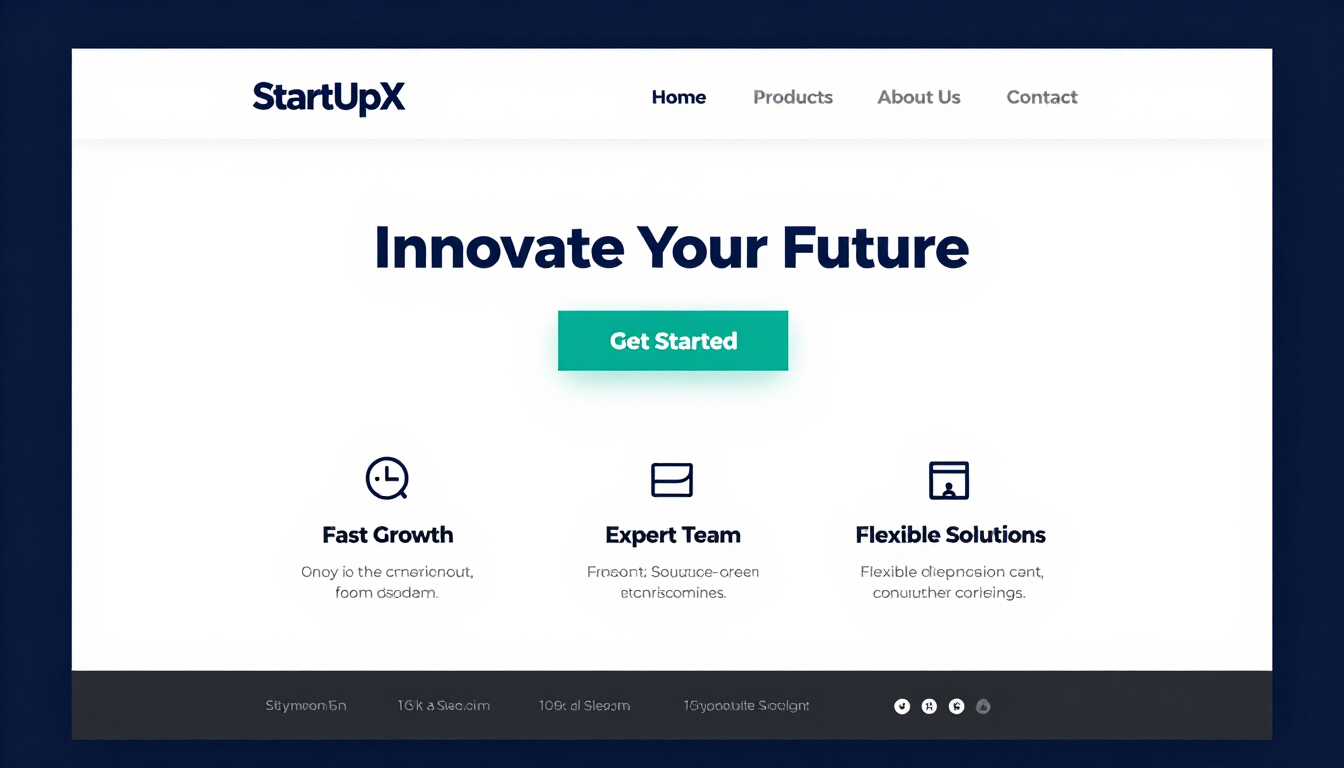
A startup website is the digital headquarters for early-stage companies-not an online brochure you hope people browse, but the primary space where users, partners, journalists, and accredited investors validate your legitimacy, product story, and traction. Startups require robust planning and scalable funding to succeed, and a professional website showcases products, builds brand identity, and signals that your team is ready for the stage.
By late 2026, founders are expected to have a polished site before pitching at accelerators, demo days, or raising on equity-crowdfunding platforms. Resources like Y Combinator and SCORE-which provides free business mentoring, workshops, and templates from experienced executives-emphasize that online presence is table stakes. Startups can use websites to attract new investors and customers simultaneously.
Your site must serve multiple audiences at once: customers exploring solutions, candidates searching for startup jobs, investors evaluating the opportunity, and strategic partners assessing fit. There is a meaningful difference between a basic landing page and a scalable site architecture that can later support documentation, self-serve onboarding, and investor relations content. Tools like Notion are useful for documentation, planning, and knowledge management behind the scenes, but your website is the public face of all that work.
EZPages.Pro specializes in these early-stage "version 1.0" sites, delivering them through an essential website development process for startups and high-performance, secure website builds with custom design and SEO features that scale as the company grows.
Best Startup Website Examples and What They Get Right
Real examples help founders understand what "good" looks like and what investors and candidates now expect. The best startup websites in the world share a few common traits worth studying for inspiration.
Consider a SaaS startup like a project management tool entering the space with a focused hero section, a single primary CTA ("Start free trial"), and social proof logos from early customers above the fold. A professional website like this establishes brand credibility for potential customers within seconds. The design is clean, the mission is clear, and visitors immediately understand the value.
Hardware and deep-tech startups take a different approach. Their sites combine storytelling with product specs and a clear "Back us / Join waitlist" path to convert early adopters. Over 350,000 businesses have used Modalyst for eCommerce integration on similar product-led sites, proving that sell-through technology matters even at launch.
Some of the strongest examples feature a careers page that smartly promotes startup jobs with culture highlights, benefits, transparent salary ranges, and equity details-turning the site into a hiring engine alongside a sales tool.
Across all these examples, shared UX practices stand out: strong contrast, clear typography, mobile-first layouts, and simple navigation limited to 4–6 core menu items. EZPages.Pro can reproduce similar high-converting layouts rapidly on Duda-based infrastructure, customizing copy, visuals, and flows to each startup's industry and niche.

Essential Pages and Features Every Startup Website Should Include
Think of this as a practical checklist you can use to scope your minimum viable site. Websites can generate leads through contact forms and email signups, but only if the right pages exist.
Core pages and their role:
| Page | Purpose |
|---|---|
| Home | Value proposition, 1–2 CTAs, social proof, "how it works" strip |
| Product/Services | Feature breakdown, screenshots, use cases, comparison grid |
| Pricing | Clean tiers, transparent benefits per plan, trust badges |
| About | Mission, team, story, values |
| Contact | Form, booking widget, location if relevant |
| Blog/Resources | SEO content, company updates, investor news |
| Careers | Post jobs, culture, equity, startup jobs listings |
Your homepage needs one clear value proposition, a short explanation of the problem and solution, logos or testimonials, and a simple walkthrough strip. The product page should include a comparison grid if you are competing against incumbents. On the pricing page, include trust elements such as money-back guarantees or security badges.
For investor-focused content, add a subtle "For Investors" link with high-level metrics, accreditation disclaimers when relevant, and a way for accredited investors to request more information. AngelList connects startups with jobs, investors, and venture capital, so linking to your profile there can complement your on-site investor section.
EZPages.Pro packages these sections into a coherent structure with integrated apps, contact forms, booking widgets, and analytics tracking from launch, supported by affordable website plans for startups and small businesses.
Design and UX Principles for High-Conversion Startup Websites
Visitors decide in under five seconds whether to stay, sign up, or close the tab. Mobile users abandon over 50% of sites that take more than three seconds to load, so performance is not optional-it is the design.
Include clear CTAs to encourage visitor actions, and repeat them at the top and bottom of every page. Visual hierarchy matters: large headlines, a strong hero message, and high-contrast buttons create a friendly path for the eye. User-friendly navigation is essential for startup websites; keep menu items to six or fewer.
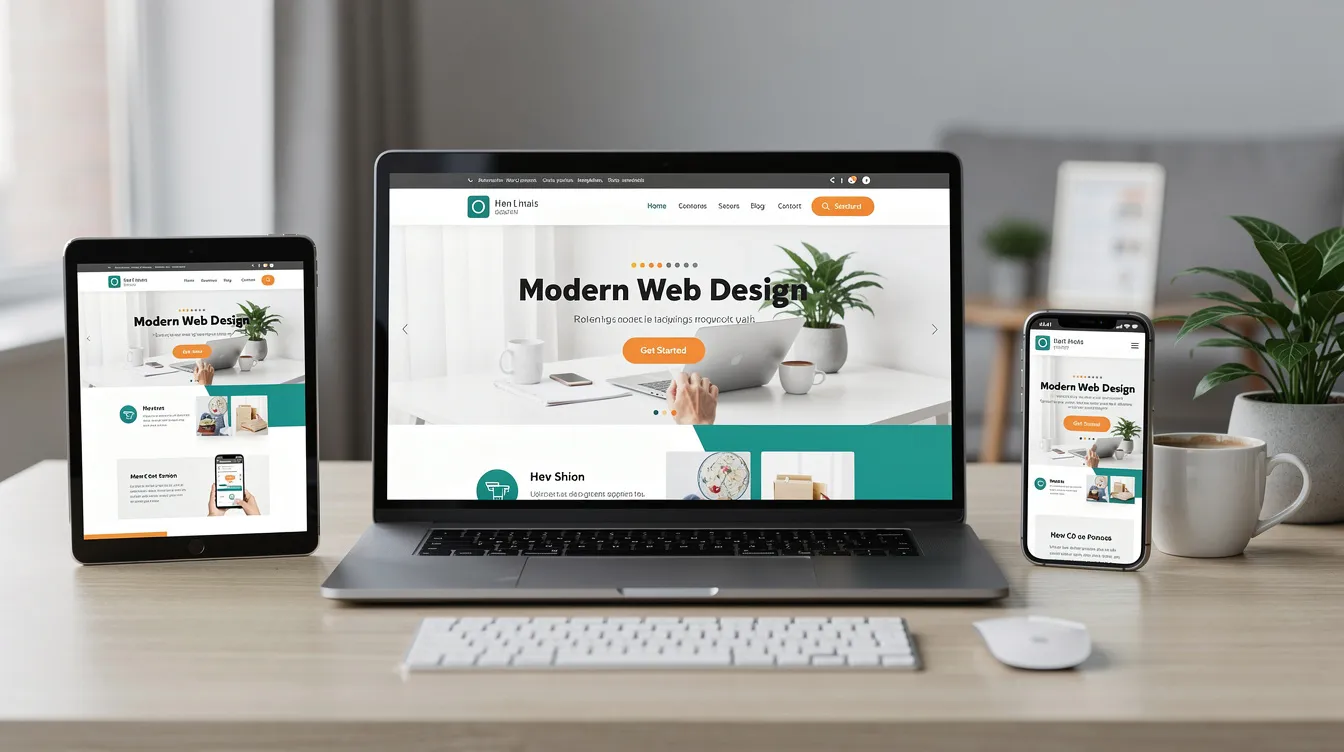
Mobile-first design means fully responsive layouts, thumb-friendly buttons, and concise copy tuned for small screens. Credibility signals-founder photos, team snapshots, customer testimonials, press mentions, and compliance badges-build trust quickly.
Create frictionless paths: a visitor should go from the homepage to signing up, requesting a demo, applying for startup jobs, or booking a call in two to three clicks. Explore conversion rate optimization strategies to refine what actually converts.
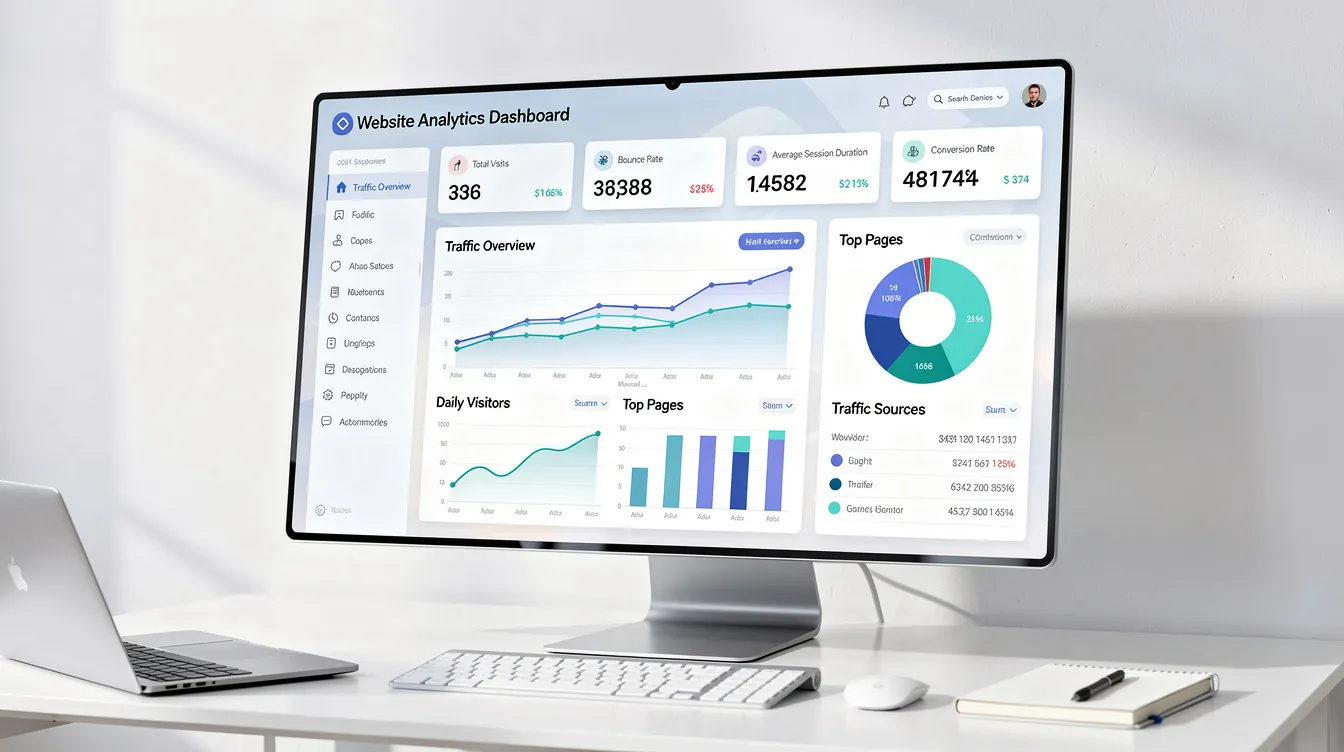
EZPages.Pro designs UX around data-scroll-depth tracking, heatmaps, and analytics-so every layout decision is informed by real user behavior, not guesswork, turning well-designed websites into engines that transform clicks into customers.
Building vs. Buying: DIY Builders, Agencies, and EZPages.Pro
Founders in 2026 have four main options: DIY website builders, freelancers, traditional agencies, and specialized partners like EZPages.Pro. Each involves trade-offs in cost, speed, and long-term power.
Wix is a popular platform for startup websites and Wix offers built-in SEO tools for better visibility, but DIY tools can be time-consuming, carry plugin risk, and offer limited optimization for complex software products. Freelancers cost less than agencies but come with variable reliability and limited support for hosting, security, and long-term maintenance.
Traditional agencies deliver deep strategy and branding, but often require 8–12 week timelines and $10,000–$30,000+ budgets-heavy for early-stage teams who need to invest their capital in product development, not web projects, which is why many small companies now favor the best managed website solutions for building an online presence.
EZPages.Pro fills the gap: fast 5–7 day launches using refined Duda-based templates, or 2–4 week custom builds with fixed transparent pricing. The agency's model bundles design, development, hosting, security, SEO, and ongoing management under one roof-no juggling vendors or surprise invoices.
For other agencies and studios building startup websites who need reliable production capacity, EZPages.Pro also offers white-label Duda services as a backend partner.
SEO, Performance, and Compliance for Startup Websites
Discoverability and trust are as important as design, especially when competing for attention and investor interest. An optimized website can increase online visibility and attract organic traffic-but only if the foundations are right at launch.
Core SEO basics every startup site needs:
- Keyword-researched page titles and meta descriptions
- Logical H1/H2 heading structure and descriptive URLs
- Internal linking between key pages
- XML sitemaps and robots.txt
- Image alt text and schema markup
You should optimize your website for search engines to increase visibility from day one, following essential SEO strategies for startups so early efforts compound over time. Speed matters: pages that load one second faster can see up to 27% higher conversions. Currently, only 44% of top sites pass Core Web Vitals on mobile versus 64% on desktop-so mobile performance is a real differentiator.
Compliance is equally critical: cookie notices, privacy policies aligned with GDPR and CCPA, and ADA/WCAG accessibility basics like alt text, keyboard navigation, and sufficient color contrast make your site accessible to all visitors, all supported by clear website policies and disclaimers from EZPages.Pro. EZPages.Pro specializes in on-page and technical SEO, security hardening, and compliance-ready builds informed by ADA, WCAG, GDPR, and privacy policy best practices for website compliance by default.
Startup Website Costs, Timelines, and What to Budget For
Founders often underestimate both the direct costs and the indirect costs-lost leads, missed accelerator deadlines, weak first impressions-of a delayed or poorly built website. A professional startup website can cost between $0 and $30,000. Here is how that range breaks down:
| Option | Typical Cost | Timeline |
|---|---|---|
| DIY (Wix, Squarespace) | $50–$500/year + your time | Days to months |
| Freelancer | $800–$5,000 | 2–6 weeks |
| Traditional agency | $10,000–$30,000+ | 8–12 weeks |
| EZPages.Pro | Transparent flat-rate packages | 5–7 days (template) or 2–4 weeks (custom) |
Beyond the build, budget for hosting, backups, content updates, security patches, analytics tools, and brand assets. Many founders track finances with QuickBooks for income, expenses, and taxes, so log your website costs there from the start-it pays off at tax time and during investor due diligence.
EZPages.Pro rolls managed hosting, maintenance, and content updates into predictable monthly or annual fees, so there are no surprise bills, while also delivering managed website services that enhance online presence and reduce internal workload.
Turning Your Startup Website into a Growth Engine
After launch, your website should evolve into a growth asset that captures leads, recruits talent, and informs product decisions. It is not a "set and forget" project-it is a life-long business tool.
Implement lead capture across pages: gated resources, waitlists, newsletter signups via a platform like Mailchimp-an email marketing platform for sending newsletters-and demo request forms. HubSpot is a customer relationship management tool to track sales and leads generated from those forms. Startups benefit from balancing a small set of well-integrated tools rather than bolting on dozens of plugins.
Design a dedicated careers page to post jobs, showcase culture, benefits, and equity, and attract every strong candidate who lands on your site. Google Analytics is essential for tracking website traffic and user behavior; pair it with Search Console to monitor how search engines see your pages.
Pursue ongoing improvement: A/B test headlines and CTAs, update case studies, and publish blog content regularly to support SEO and share updates on twitter and other channels. Essential online resources for startup success include Y Combinator and SCORE, and linking to your participation in those communities signals momentum to investors from San Francisco to London and beyond; pair this with smart steps to boost website success through optimization and accessibility so your site keeps improving post-launch.
EZPages.Pro offers ongoing content updates, layout tweaks, and new page builds as managed services so founders can iterate without learning design or code, and agents on the team handle requests promptly so you are notified when changes go live.
Frequently Asked Questions About Startup Websites
Here are the questions founders ask most often when planning their first site.
How soon should a startup launch its website?
A simple but credible website should go live before public launch, accelerator applications, or serious investor outreach-often while the product is still in private beta. An early site can be a lean one- or two-page build focused on explaining the problem, solution, and a way to join a waitlist or request early access. EZPages.Pro specializes in these fast-turnaround "launch-ready" versions, which can later expand into full marketing or product sites without starting over. Do not wait until everything is promised and polished; start with what you have.
Do I need separate pages for customers, talent, and investors?
Most startups benefit from at least one dedicated page or section for each audience: a product or solutions page for customers, a careers page for startup jobs and hiring, and a brief "For Investors" area. These sections can share the same brand design but tailor messaging, metrics, and calls to action to what each group cares about. EZPages.Pro structures navigation and content so these paths are clear without overwhelming visitors with too many menu options.
How often should I update my startup website content?
Review and update core pages-Home, Product, Pricing-at least quarterly, or any time features, funding, or positioning change. Plan to add new blog posts, case studies, or announcements monthly to keep SEO fresh and give investors and candidates a sense of momentum. With EZPages.Pro's managed service, founders can request content edits, new sections, or page refreshes without touching the backend or design tools, letting you enjoy a hands-off process.
How can my website support fundraising from accredited investors?
While fundraising rules vary by jurisdiction, startups can use their website to clearly present the vision, team, traction metrics, and high-level funding status without making improper public offerings. Add a gated "Investor Updates" or "Data Room Request" form where accredited investors can sign up and request detailed materials after basic screening. EZPages.Pro can implement secure forms, permission-controlled content, and clear disclaimers in line with your legal counsel's guidance to keep everything compliant and accessible.
How do I get started with EZPages.Pro for my startup website?
The process is straightforward: schedule a short discovery call, select a package or template starting point, and share brand assets plus initial copy or notes. EZPages.Pro then designs, builds, and launches your site-often within 5–7 days for template-based builds or 2–4 weeks for fully custom designs-while also setting up hosting, security, and analytics. Innovation in web technology should not be a barrier; it should be a tailwind.
Ready to find the right plan for your startup? Contact EZPages.Pro today to scope your startup website and get a clear timeline and flat-rate quote. Your next customer, candidate, or investor is already looking for you online-make sure they like what they see.

EzPages.Pro specializes in small business web management and web development for small businesses and startups. Our tailored solutions simplify content updates, track performance with analytics, and ensure smooth site operation. With our all-in-one management services, you can focus on growing your business while we handle the rest.
🚀 Let’s build something great together.
EZPages blog